Can I Add a Hot Tub or Pool Electrical Hookup to My Existing Panel in Bluffton?
Straight Talk
Most people look at an empty slot in their panel and think they’re good to go for a hot tub. They aren’t.
In Bluffton, that empty space doesn’t mean much if your system is already working hard just to keep up with the house. Your AC is running most of the year, humidity is chewing on connections, and half the panels I open have never been properly checked since the day they were installed.
Can you add a hot tub or pool hookup? Sometimes. But a lot of the time, you’re trying to squeeze a gallon of demand into a half-gallon bucket, and that’s where problems start.
Why This Is Not a Simple Add-On
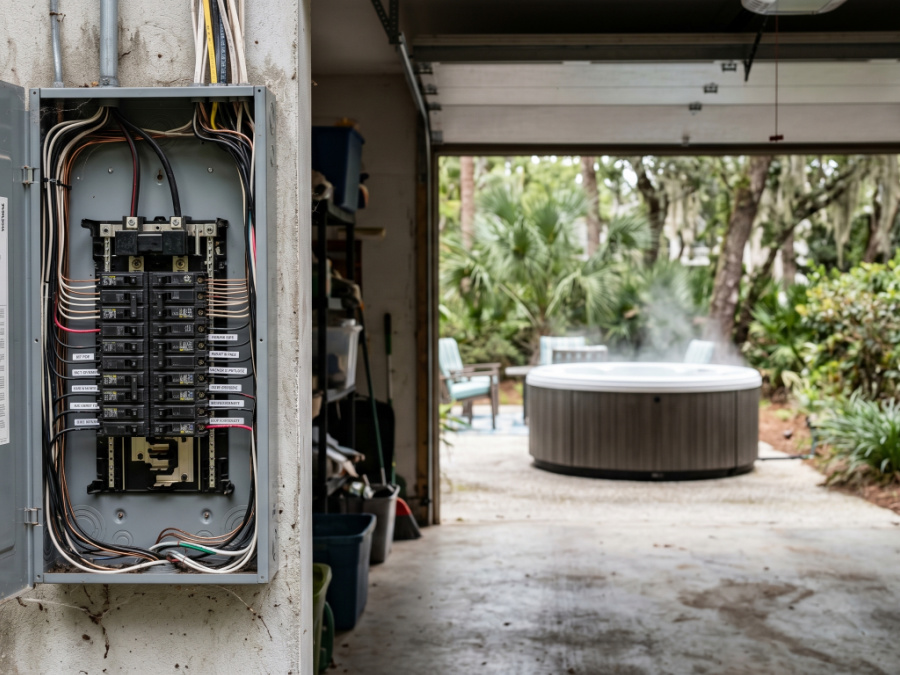
A hot tub is not a small upgrade. You are adding a dedicated circuit that pulls real amperage, usually in the 40 to 60 amp range. That load does not come and go like lighting. It sits there and runs, often at the same time everything else in your house is already working.
In Bluffton, that matters. Your cooling system is already doing heavy lifting for most of the year. Add in pool equipment, outdoor lighting, kitchen loads, maybe even a tankless water heater, and now you are stacking demand on a system that may not have been designed for it.
This is where people get burned. The panel looks clean. There is space. Everything “works.” But nobody has actually looked at what the system is carrying.
How Much Power You’re Really Adding
Most hot tubs land somewhere between 40 and 60 amps on a dedicated circuit. Some go higher depending on heaters and pump configuration.
Now add a pool. Pumps run for hours. Heaters kick on when needed. Lighting and automation systems add smaller loads that still count. It all adds up.
This is not a minor bump. This is a real increase in demand, especially in a climate where electrical systems already run hotter and longer than they would inland.
What Actually Determines If Your Panel Can Handle It
Actual Electrical Load on the Home
I do not care what someone thinks they are using. I care what the system is actually pulling.
A house can look fine on the surface and still be running close to its limit. Breakers are not tripping, lights are not flickering, so everything must be good. That is not how electrical systems fail. They fail slowly.
You get heat building up at connection points. You get resistance where there should not be any. You get components wearing down faster than they should. None of that shows up right away.
A proper load calculation tells the real story. Without it, you are guessing.
Panel Size and Real Capacity
Most homes in this area are either 150 amp or 200 amp service. If you are on a 150, adding a hot tub is where things usually stop making sense. There is just not enough headroom.
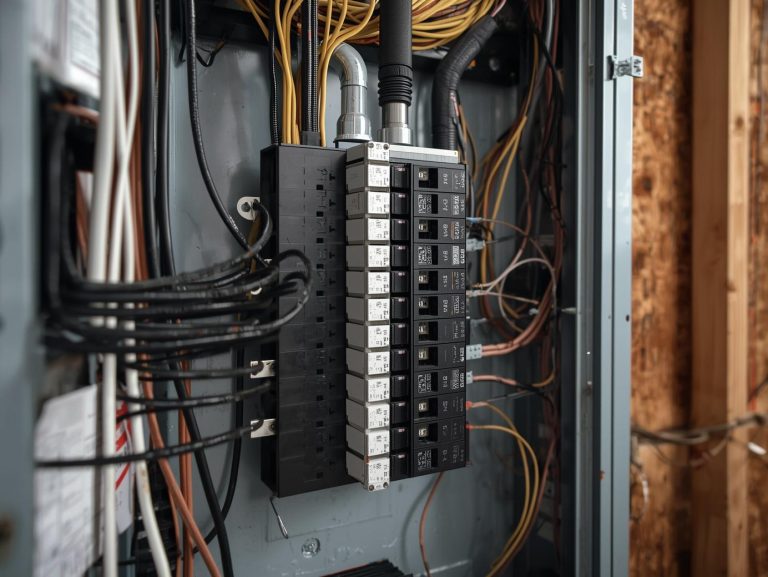
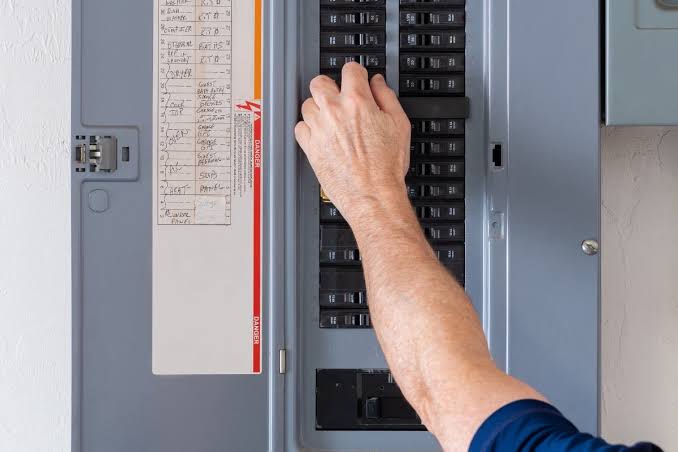
Even with a 200 amp panel, I do not assume anything. I have seen plenty of them already carrying more than they should. Open breaker space means nothing if the busbar is already loaded up.
This is where a lot of bad installs come from. Someone sees space, drops in a breaker, and calls it done. No calculation. No balancing. No thought about what happens six months from now when everything is running at once.
The Lowcountry Reality
This is the part that does not show up in clean diagrams or manufacturer specs.
In a coastal environment like Bluffton, the math on paper is only half the story. I have opened panels in newer communities that technically had the capacity, but the salt air had already started working on the copper. You see that dull green buildup, or worse, you see discoloration on the lugs where heat has been sitting.
Sometimes you catch it by smell before you see it. That faint ozone scent that tells you something has been arcing, even if it has not failed yet.
When I see that, I am not thinking about adding more load. I am thinking about how close that system is to becoming a problem.
Adding a 50 amp hot tub to a panel that is already showing wear is like asking a guy with a bad heart to push through a long, humid summer day. It might hold for a while, but it is not built for it.
Electrical Requirements Around Water
Hot tubs and pools are not forgiving.
You need proper GFCI protection. You need a disconnect that is placed correctly so it is accessible but not a hazard. You need bonding and grounding done right so everything in that system is working together the way it should.
This is not about checking boxes. Around water, the margin for error is smaller. The system either protects you or it doesn’t.
The Danger of “It Works Fine”
This is the phrase that causes more damage than anything else.
Electrical systems do not usually fail all at once. They degrade. They cook.
You might not see a problem for months. Meanwhile, a connection that was never torqued properly is heating up every time that tub kicks on. That heat builds resistance. That resistance builds more heat.
Eventually something gives. A breaker weakens. A lug loosens. In the worst cases, you get a melted section of the panel.
By the time you smell something burning, the real problem started long before that.
When a Panel Upgrade Is the Right Move
Sometimes the answer is not to force it.
If the system is already near capacity, if the panel is older, or if you are planning anything else down the road, a panel upgrade makes more sense. It gives you room to run the hot tub the way it is supposed to run without stressing everything else in the house.
Trying to squeeze it into an undersized or worn panel might get you through the first season. It is not a long-term solution.
What Proper Installation Looks Like
When this is done right, there is no guessing.
The load is calculated based on how the home is actually used. The panel is opened and inspected for real condition, not just appearance. A decision is made based on facts, not assumptions.
If the panel can handle it, the circuit is installed with the correct wire, proper protection, and solid connections. Everything is torqued, secured, and tested under load.
If it cannot handle it, the system gets upgraded so it can.
That is how you avoid problems later.
The Bottom Line in Bluffton
You can add a hot tub or pool electrical hookup to your existing panel, but only if the system can actually carry the load.
This is not about finding space in a panel. It is about understanding what that panel has already been through and what you are asking it to do next.
In this environment, with heat, humidity, and constant demand, small mistakes do not stay small for long.
Get it evaluated properly before anything gets installed. That is the difference between a system that runs clean and one that slowly works its way toward failure.

Mike Namdar is the founder and owner of Live Oak Electrical Services, serving Bluffton, Hilton Head, and the surrounding Lowcountry. With over 20 years of hands-on experience in the electrical and construction industries, Mike and his licensed team specialize in residential panel upgrades, safety inspections, and commercial wiring. They share expert guidance to help local homeowners keep their electrical systems safe, modern, and code-compliant.