How Long Does an Electrical Panel Replacement Take in Bluffton?
Straight Talk
The actual panel replacement usually takes about a day. The full process takes longer.
Most homeowners think this is a quick swap. It’s not. The hands-on work is typically 4 to 8 hours if everything goes clean. But what really controls the timeline isn’t just the work itself. It’s permits, inspections, and coordinating with the power company. That’s what turns a one-day job into a multi-day process from start to finish.
What Happens on Installation Day
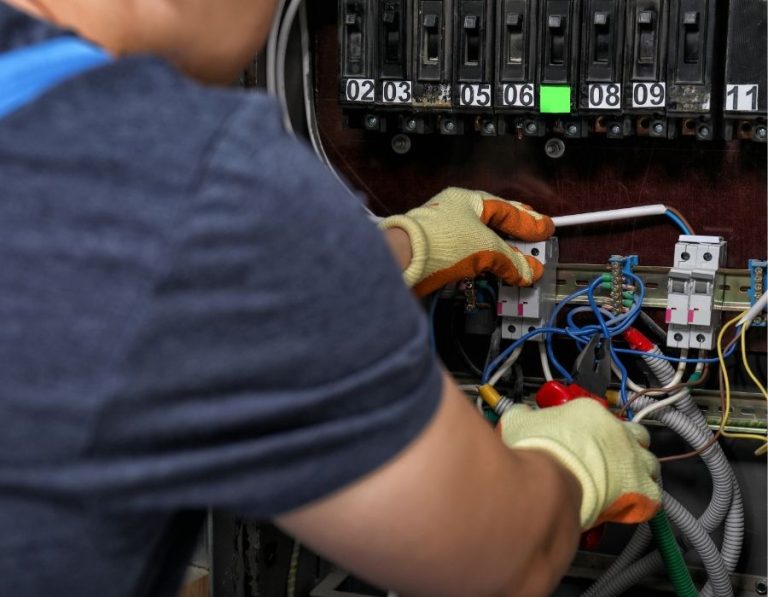
On install day, we shut power down, remove the existing panel, install the new one, and reconnect every circuit in the house. That sounds simple, but it’s detailed work. Every circuit has to be identified, landed correctly, and secured properly.
Before we call anything done, we go back through every connection with a torque wrench. Not hand-tightened. Verified. I’ve seen brand-new panels fail because the main feed wasn’t torqued properly and loosened under load. That’s not something we leave to chance.
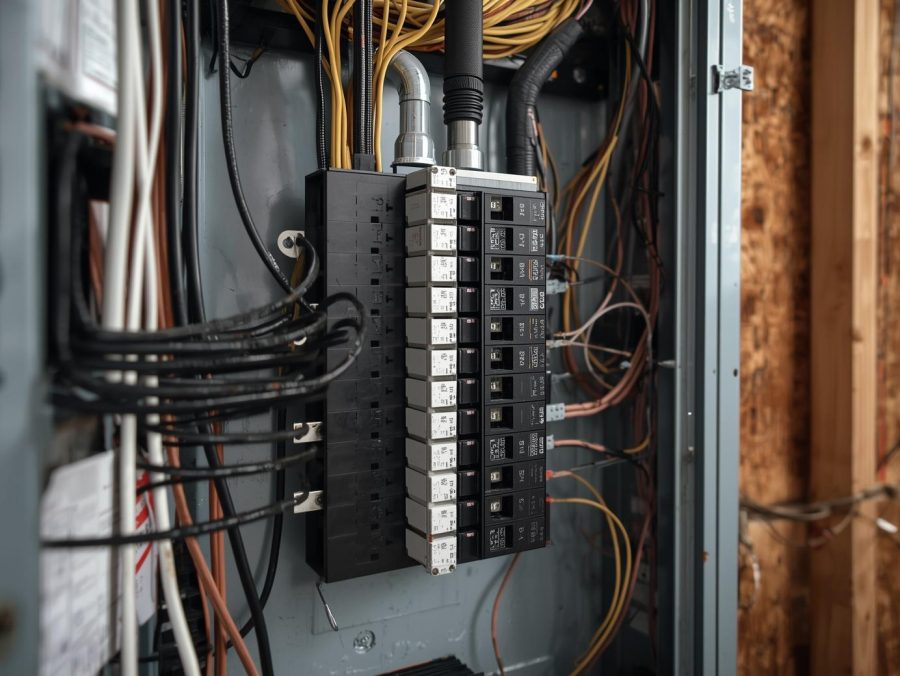
When we’re finished, the inside of that panel should be clean and organized. Wires routed tight along the sides, nothing crossing over itself, no mess. If a panel looks like a bowl of spaghetti, there’s a good chance the install behind it was rushed. Clean layout isn’t just about appearance. It tells you the work was thought through.
You’re usually without power for most of the day, but if everything goes right, you’re back up by the end of it.
Why Some Jobs Take Longer
Not every panel replacement is straightforward.
We open panels all the time and find years of shortcuts. Wires that were never labeled. Multiple conductors crammed under one lug. Circuits that don’t match anything on the directory. Now the job isn’t just a replacement, it’s cleanup.
Sometimes conductors are cut too short and need to be extended. Sometimes we find heat damage or weak connections that have to be corrected before anything gets reconnected. That adds time, but skipping it creates problems later.
If the panel needs to be relocated or the service needs to be upgraded, the scope changes completely.
The Bluffton Factor
Panels in Bluffton don’t age the same way they do in dry climates.
Humidity and salt exposure get into everything over time. I’ve opened panels where connections didn’t just loosen, they started breaking down. You loosen a lug and instead of a clean contact, you see oxidation, discoloration, sometimes even flaking metal.
Outdoor panels and meter bases take it even harder. If we see corrosion at the service connection, we stop and deal with it properly. Forcing through that kind of issue just builds in a failure point.
In the middle of summer, this job also comes with a real-world factor most people don’t think about. When the power is off, the AC is off. In a Bluffton August, the house heats up fast. We tell people ahead of time so they can plan around it. We aim to have everything back on the same day, but we don’t rush critical work just to beat the heat.
The Part That Controls the Timeline
The physical work is only part of the process.
Permits have to be pulled before we start. The power company has to disconnect service. After the install, the system has to be inspected before final approval and full restoration.
We don’t control those schedules. If everything lines up, the job moves quickly. If not, you’re waiting on coordination between multiple parties.
That’s why the timeline isn’t just about how fast we work. It’s about how the whole system moves.
What Makes a Panel Replacement Go Smoothly
Preparation makes the difference.
When we evaluate the system ahead of time, label circuits, and know what we’re walking into, install day runs the way it should. Power goes down, work gets done cleanly, and power comes back up.
Where things slow down is when the existing panel hasn’t been touched in decades and nobody knows what’s behind it. That’s when hidden issues show up and have to be addressed.
What You Should Expect
Plan on being without power for most of the day. Charge what you need ahead of time. If it’s summer, plan around the heat.
Beyond that, the process is handled on our side. The focus is on making sure everything is installed correctly, secured properly, and ready to pass inspection.
The Reality
A panel replacement is usually a one-day install wrapped inside a multi-day process.
The physical work takes hours. The coordination around it takes time. Done right, you end up with a system that’s organized, properly connected, and built to handle your home long-term.
Rushed or treated like a quick swap, it turns into a problem you’ll be dealing with later.

Mike Namdar is the founder and owner of Live Oak Electrical Services, serving Bluffton, Hilton Head, and the surrounding Lowcountry. With over 20 years of hands-on experience in the electrical and construction industries, Mike and his licensed team specialize in residential panel upgrades, safety inspections, and commercial wiring. They share expert guidance to help local homeowners keep their electrical systems safe, modern, and code-compliant.