What Homeowners Should Know About Electrical Fires, Insurance Claims, and Hiring the Right Electrician
Most Electrical Problems Start Quietly
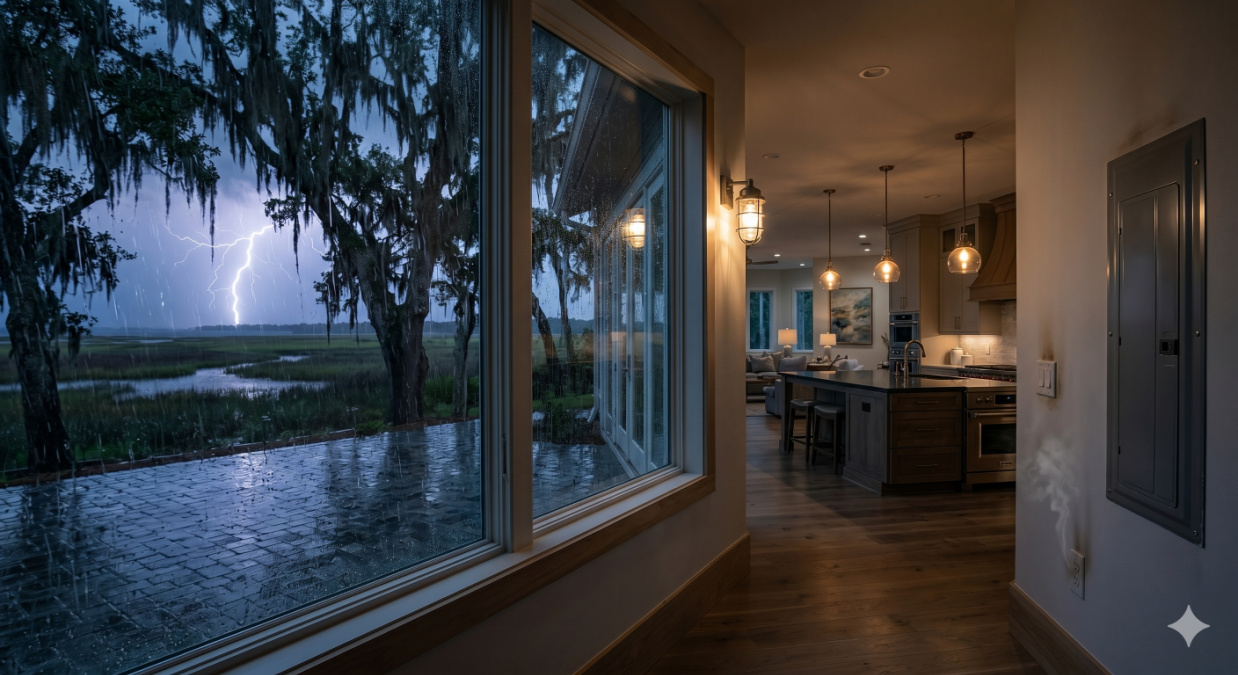
Most homeowners do not spend much time thinking about their electrical system until something suddenly feels off. Maybe it starts with lights flickering during a summer storm rolling across Bluffton. Maybe a breaker keeps tripping in the kitchen after a new appliance is installed. Sometimes, it is a faint burning smell near an outlet that people convince themselves will probably go away on its own.
In many homes across Hilton Head Island and the surrounding Lowcountry, electrical problems often develop quietly and gradually. Unlike a roof leak or burst pipe, wiring issues usually stay hidden behind walls and ceilings until a much larger problem forces itself into the open. By the time many homeowners realize something is wrong, they are already dealing with smoke damage, insurance adjusters, emergency repairs, or difficult questions about what caused the issue in the first place.
That is one reason experienced electricians throughout the Lowcountry often stress the importance of paying attention to small warning signs before they become expensive or dangerous ones.
Coastal Homes Face Different Electrical Challenges
The coastal environment itself can create challenges homeowners do not always think about. Salt air, humidity, heavy rains, lightning, flooding, and constant temperature changes place stress on electrical systems over time, especially in older homes or properties near marshes and waterfront areas. In places like Hilton Head, Palmetto Bluff, and along the May River, outdoor lighting systems, pool equipment, dock power, generators, and landscape wiring all face environmental conditions that are very different from homes farther inland.
Many homes throughout the region have also been renovated or expanded over the years, sometimes by multiple contractors working decades apart. Older panels get added onto. Outdoor kitchens are installed. Detached garages become workshops. New technology places demands on electrical systems that homes built in the nineteen eighties or nineties were never designed to handle. Between golf cart charging stations, home offices, high end appliances, entertainment systems, and modern HVAC equipment, homeowners today use dramatically more electricity than they did even twenty years ago.
The problem is that homeowners often do not know what good electrical work is supposed to look like until something fails.
Five Warning Signs Homeowners Should Never Ignore
Across Bluffton, Hilton Head Island, Beaufort, and the surrounding area, many homeowners are surprised to learn how preventable some electrical fires actually are. Warning signs often appear weeks or months before a major issue develops.
Here are a few signs experienced electricians recommend homeowners take seriously:
Warm Outlets or Switch Plates
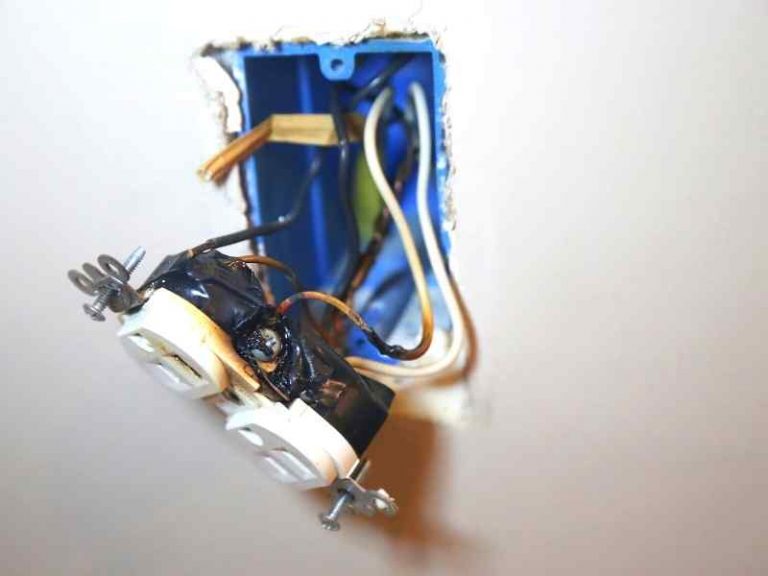
Outlets and switches should never feel hot to the touch. Heat can indicate overloaded circuits, damaged wiring, or failing connections behind the wall.
Frequent Breaker Trips
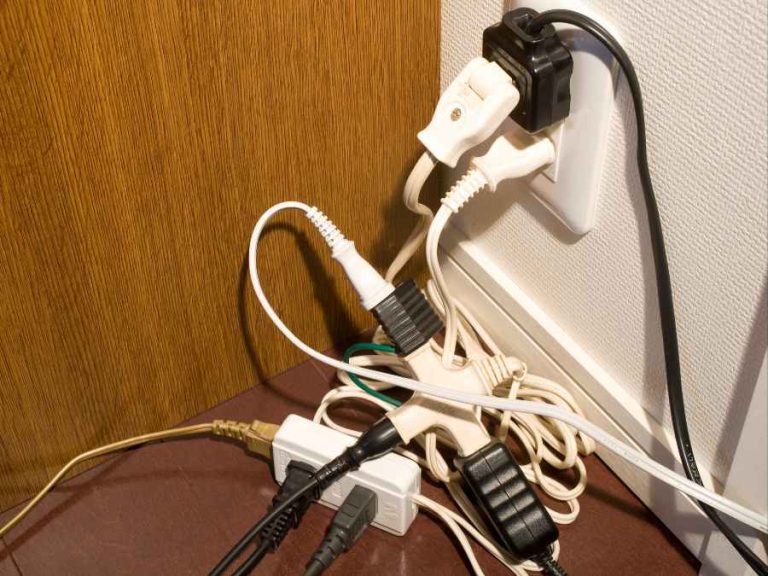
A breaker that trips repeatedly is usually a sign the electrical system is struggling with the demand being placed on it.
Burning or Fishy Smells
One of the most common warning signs before an electrical fire is a faint burning odor near outlets, panels, or switches. Many electricians describe it as a sharp or fishy smell caused by overheating insulation or melting components.
Flickering or Dimming Lights
Lights that dim when appliances or HVAC systems turn on may point to overloaded circuits or larger electrical issues developing inside the home.
Buzzing Sounds Behind Walls
Electricity should be silent. Buzzing, humming, or crackling sounds can signal dangerous wiring problems that should be inspected immediately.
The good news is that many of these issues can often be identified early through inspections, maintenance, and quality electrical work before they turn into emergencies.
What Happens After an Electrical Fire
After an electrical fire or major system issue, the process becomes overwhelming very quickly. Families are suddenly dealing with inspections, temporary housing, insurance paperwork, restoration companies, contractors, permits, and difficult decisions about repairs. In many situations, homeowners are trying to make major financial and safety decisions while still processing the emotional shock of seeing damage to their home.
And unlike what many people assume, insurance claims involving electrical fires are not always straightforward.
Insurance companies often look closely at factors such as aging systems, deferred maintenance, previous renovations, unpermitted work, code compliance, or whether electrical upgrades were performed properly over time. In some cases, investigators and engineers are brought in to determine exactly what caused the fire and whether coverage disputes exist.
Hilton Head attorney Ben Shelton says one of the biggest mistakes homeowners make after a serious electrical issue is failing to preserve documentation early in the process.
“People are understandably focused on getting life back to normal after a fire or major electrical problem,” Shelton says. “But photographs, inspection reports, repair estimates, and communication records can become incredibly important later if questions arise about insurance coverage, prior repairs, or responsibility for the damage.”
That does not mean homeowners should delay emergency work or avoid making repairs. But experienced professionals often recommend slowing the process down enough to make sure the condition of the property is thoroughly documented before everything is torn out and replaced.
Professional electrical work also creates an important paper trail. Permits, inspection approvals, invoices, and documented repairs can become valuable if questions later arise about the history of the home or the quality of previous work performed.
Hiring the Right Electrician Matters
For electricians, situations like these are about much more than simply replacing damaged wiring. A good electrician is also helping homeowners understand what failed, what may no longer meet current code requirements, and whether there are larger issues hiding elsewhere in the system. Sometimes what appears to be a small isolated problem uncovers deeper concerns involving overloaded circuits, outdated panels, moisture intrusion, or previous shortcut work that was never corrected properly.
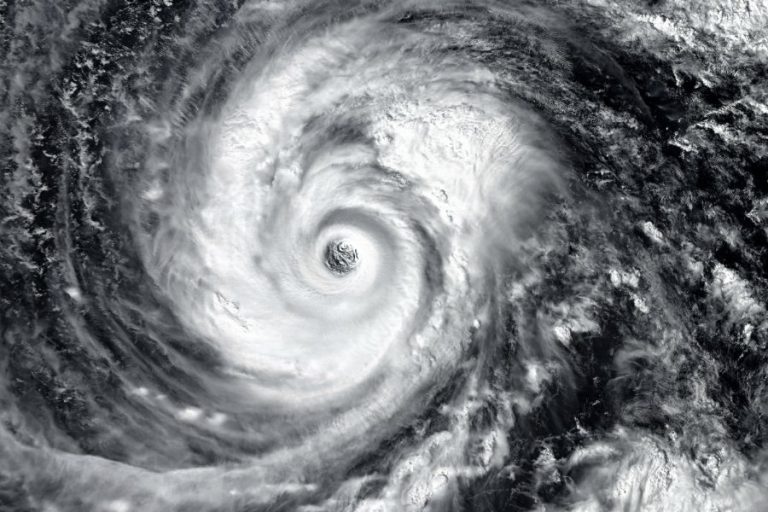
This is especially important in coastal communities where homes face constant exposure to humidity and storms. Electrical systems that appear functional on the surface may still have hidden corrosion or damage inside panels, junction boxes, or exterior connections. After hurricanes and major lightning events, electricians throughout the Lowcountry are frequently called to inspect systems that technically still work but may no longer be safe long term.
Modern electrical safety systems have also improved significantly over the years. Arc fault protection devices, commonly known as AFCIs, are designed to detect dangerous electrical irregularities before homeowners notice obvious warning signs. Many older homes throughout the region were built before these technologies became standard.
One challenge homeowners face after electrical damage is figuring out who to trust. In stressful situations, people naturally want repairs completed quickly so life can return to normal. But rushing through the process without proper inspections or qualified contractors can create even larger problems later.
Homeowners should look for electricians who are licensed, insured, experienced with local permitting requirements, and familiar with the unique environmental conditions that coastal homes face throughout the Lowcountry.
Electrical work is one area where shortcuts often stay hidden until something serious happens.
Experienced electricians understand that homeowners are not just paying for labor. They are paying for judgment, safety, troubleshooting experience, code knowledge, and the ability to recognize problems that are easy to miss. They are also paying for peace of mind knowing the work was done correctly the first time.
Protecting Your Home Starts Early
For homeowners in Bluffton, Hilton Head Island, Beaufort, and the surrounding Lowcountry, electrical safety is not just about passing inspections or checking boxes during a renovation. It is about protecting the place where your family lives, gathers, and builds its life.
Regular inspections, quality workmanship, and attention to early warning signs can go a long way toward preventing larger problems before they start.
Live Oak Electrical works with homeowners throughout the region to identify potential safety concerns, modernize aging electrical systems, and help families feel more confident about the systems powering their homes every day.