How Do I Know If My Home Has Aluminum Wiring? (Bluffton, SC)
Straight Talk
You usually don’t know until someone opens the panel or a switch box and actually looks.
Aluminum wiring is not something you spot from across the room. It sits behind your walls doing its job until it doesn’t. I’ve walked into plenty of homes where everything looked fine, but once we opened things up, the conductors told a different story.
If your home was built in the late 1960s through the 1970s, there is a real chance aluminum wiring is in there. Around Bluffton, you will also find it in older homes and in places where renovations were done over the years and wiring got mixed together.
The only way to know for sure is to check it directly.
Why Aluminum Wiring Is Still an Issue
Aluminum wiring was used because it was cheaper than copper. On paper, it works. In the field, it behaves differently.
Aluminum expands and contracts more than copper. Every time current runs through it, it heats up slightly, then cools when the load drops. Over time, that movement loosens connections. Loose connections create resistance. Resistance creates heat.
That heat does not show up all at once. It builds.
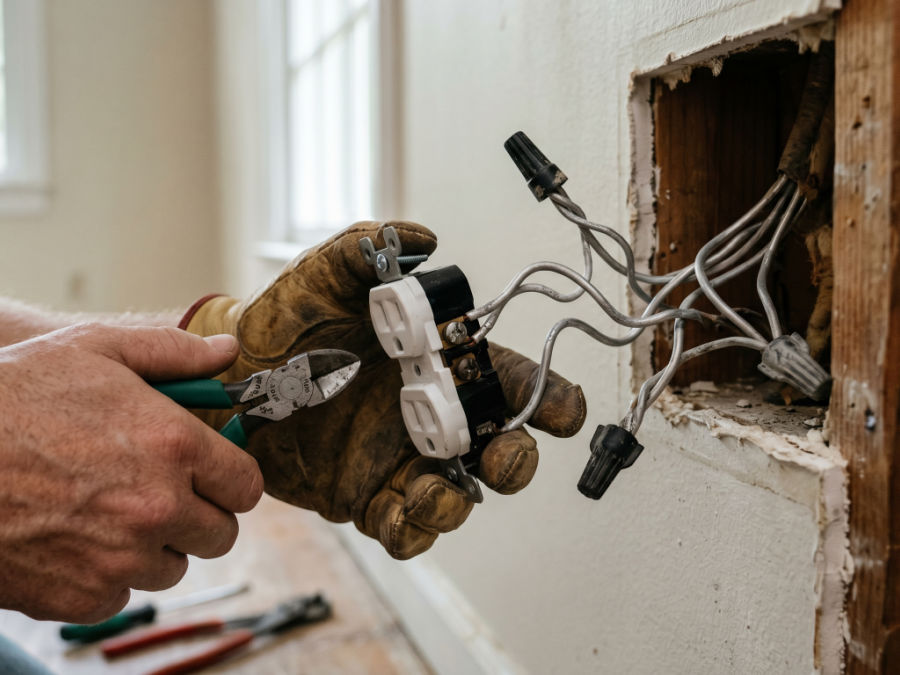
I have pulled back outlets where the wire insulation literally crumbled like a dry leaf the second I touched it. That is what years of slow heat buildup looks like behind a wall. No breaker tripped. No warning to the homeowner. Just a connection slowly working its way toward failure.
Where Aluminum Wiring Shows Up
You are not going to spot it by looking at your fixtures or walls. You have to get inside the system.
The most common places to check are inside the main panel, inside outlet boxes, and behind switches. That is where the conductors are exposed.
Aluminum wiring has a dull, silver appearance. Copper has that reddish tone most people recognize. Sometimes the insulation is labeled, but not always.
I have seen plenty of homes where aluminum and copper were mixed together over time. That is where things get more complicated if it was not handled properly.
Signs You Might Have Aluminum Wiring
There are patterns that raise suspicion before anything is opened.
Homes built or wired during the mid 1960s through the late 1970s are the biggest indicator. Beyond that, you might notice outlets or switches that feel warmer than they should, lights that flicker without a clear reason, or breakers that trip inconsistently.
You may also see devices wear out faster than expected. Loose outlets, switches that stop holding properly, or connections that just do not feel solid.
None of these confirm aluminum wiring by themselves, but they point toward a system that needs to be checked.
The Bluffton Factor
In a coastal environment like Bluffton, aluminum wiring has even less room for error.
Humidity gets into everything over time. Connections that already tend to loosen now have moisture working against them. Oxidation builds faster. Corrosion becomes part of the system whether you like it or not.
I have opened boxes where the aluminum conductors were already showing breakdown at the connection points. You combine that with heat from normal use, and those connections do not last the way they should.
This is what the environment does to electrical systems here. It accelerates everything.
The Real Risk Most People Miss
The issue with aluminum wiring is not that it fails immediately. It is that it fails quietly.
A connection loosens just enough to create heat. That heat builds over time. The aluminum begins to oxidize, which increases resistance, which creates more heat.
It is a cycle that feeds itself.
You can go years without noticing anything. Then one day a device fails, or you catch a smell that should not be there. By that point, the problem has already been developing behind the walls for a long time.
The Mixed Metal Problem Most People Overlook
This is where I see a lot of trouble.
When copper and aluminum are connected together without the right materials, they do not just sit there peacefully. They react. You get galvanic corrosion forming at the connection point.
What that looks like in the real world is a crust building up on the conductor. That buildup restricts the flow of electricity and increases resistance. Increased resistance means more heat.
Now you have a connection that is working harder, running hotter, and breaking down faster than it should.
That is not something you want hidden behind drywall.
What a Proper Inspection Looks Like
This is not someone standing in your garage and taking a quick look.
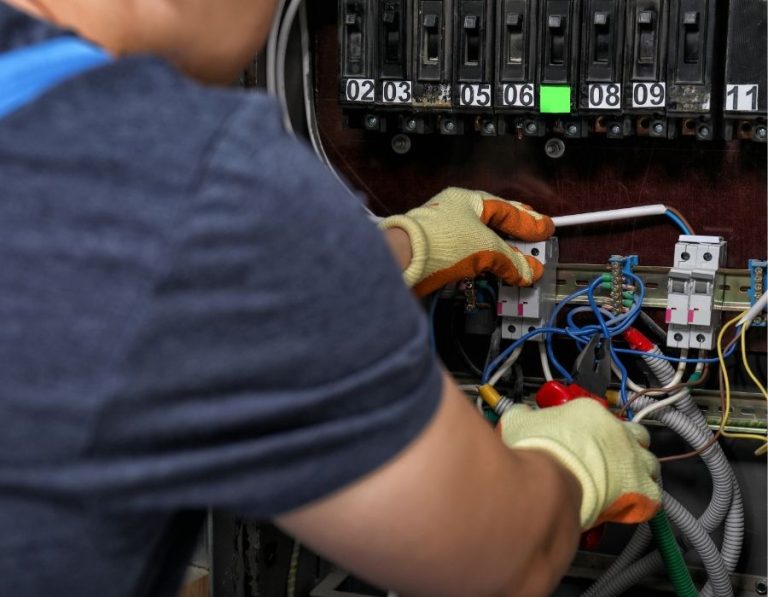
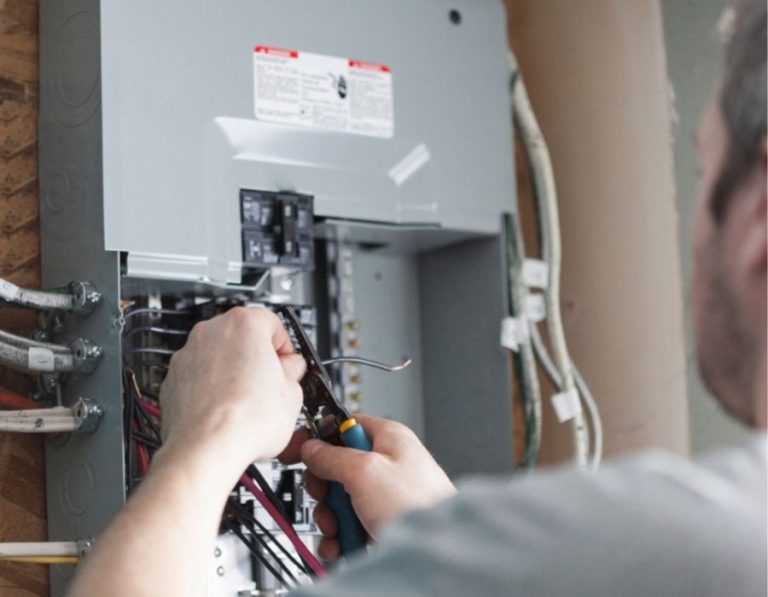
A proper inspection means opening the panel, checking the conductors, and looking closely at how the connections were made. It means checking for oxidation, heat damage, and loose terminations.
It also means understanding how the system has been modified over time. A lot of homes have had work done in pieces, and that is where mixed materials and improper connections show up.
If aluminum wiring is present, the next step is not panic. It is understanding what condition it is in and how it was installed.
What To Do If You Find Aluminum Wiring
If aluminum wiring is confirmed, the goal is not to ignore it.
There are approved ways to address it, but they have to be done correctly. That might involve proper connectors designed for aluminum to copper transitions, or in some cases, more extensive updates depending on the condition of the system.
What matters is that the decision is based on what is actually there, not assumptions or quick fixes.
The Reality
If you are asking whether your home has aluminum wiring, the truth is you do not know until it is checked properly.
In Bluffton, where humidity and environmental conditions are already working against electrical systems, aluminum wiring deserves a closer look than most people give it.
It might be fine. It might not be. But until someone opens it up and evaluates it, you are guessing.