
Smart Light Switch Installation | Live Oak Electrical
Upgrade standard light switches with smart controls that work safely with your wiring, fixtures, and the way you use each room.
What’s Behind Most Smart Light Switch Problems
Smart light switches may look simple, but the wiring behind the wall determines whether they work correctly. Unlike a standard switch, many smart switches need steady power to stay connected and respond to commands.
We often see issues after a regular switch is replaced. Lights may flicker, the app may disconnect, or the switch may work manually but not through smart controls.
If your smart switch is not responding correctly or you want it installed without wiring guesswork, call 843-505-1167. We can help set it up properly.
Why Smart Switch Wiring Has to Be Checked First
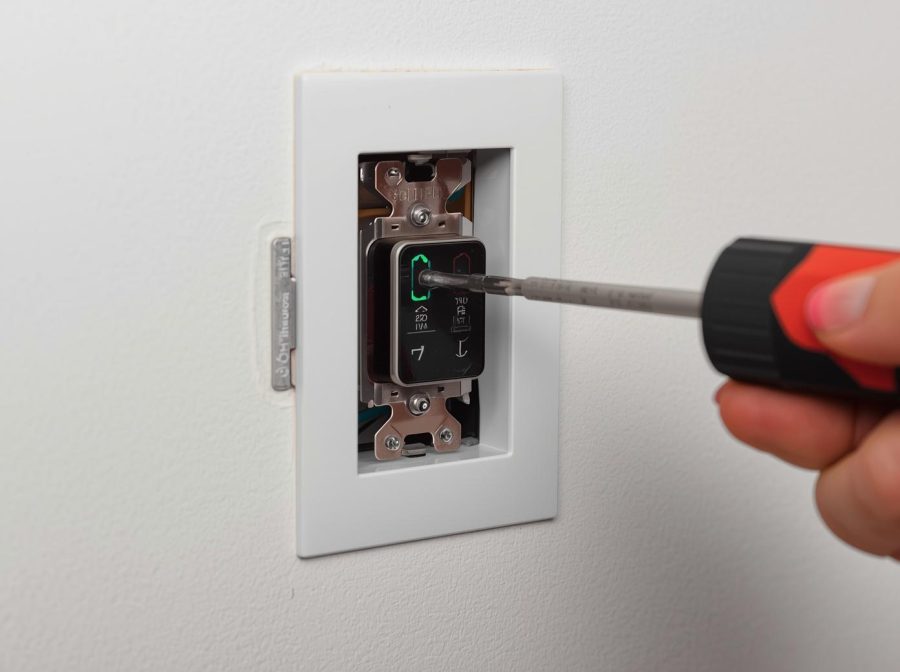
Smart switches often need a neutral wire, proper grounding, enough box space, and a compatible load. Not every switch location has all of those things available, especially in older homes or multi-switch setups. If the wiring is assumed instead of verified, the installation can become unreliable from the start.
In many homes, the existing switch box was never designed for a device that needs constant power. A traditional switch may have worked for years with a simple wiring path, but a smart switch may need additional conditions to operate correctly. That is why the first step is understanding what is actually inside the box. Once the wiring is confirmed, the right type of switch can be selected for the setup. That prevents problems like flickering lights, failed pairing, dead switches, or devices that reset whenever the load changes.
ALL ELECTRICAL SERVICES OFFERED
Live Oak Electrical Services delivers expert solutions for all your home electrical needs. From lighting upgrades to smart home installations, our certified electricians provide safe, reliable, and efficient services. Trust us to keep your home powered and secure.
When the Neutral Wire Becomes the Problem
The neutral wire is one of the most common issues during smart switch installation. Many smart switches use the neutral to keep the device powered even when the light is turned off. Without it, the switch may not work at all or may require a different type of device.
We usually see this in switch boxes where only a basic switch loop was installed. The homeowner expects the smart switch to connect like the old one, but the wiring does not provide the power path the new device needs. What looks like a simple replacement turns into a compatibility problem. This does not mean the upgrade is impossible. It means the wiring has to be evaluated before choosing the device or changing the circuit. A correct installation starts with matching the smart switch to the wiring that is actually available.
Why Box Space and Device Fit Matter
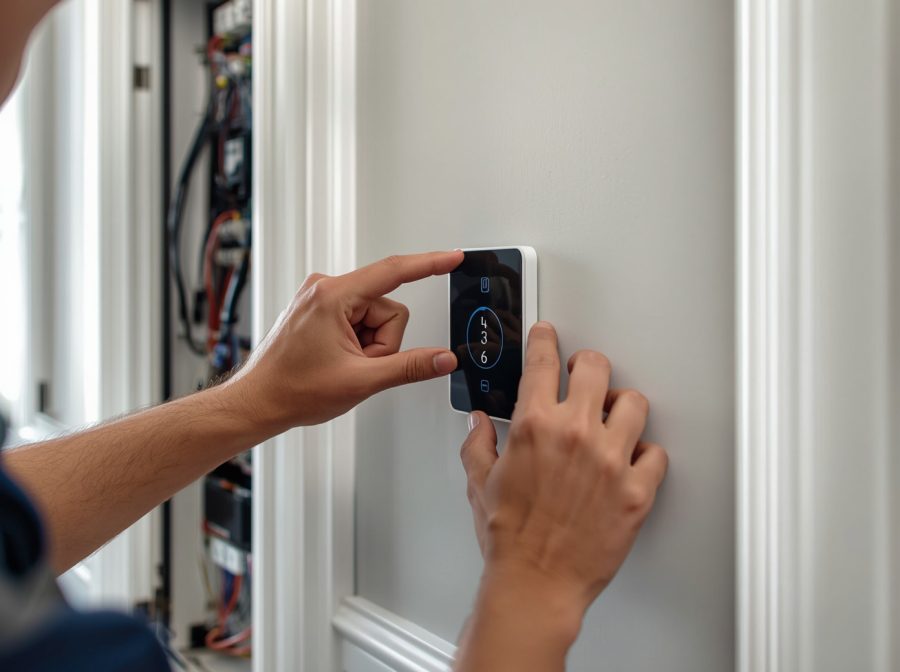
Smart switches are often deeper than standard switches, which can create problems inside crowded wall boxes. If the box already has several wires, splices, or multiple devices, forcing the switch into place can put pressure on the conductors. That pressure can loosen connections or make the device sit poorly in the wall.
In many homes, this shows up after installation when the switch feels tight, the wall plate does not sit flat, or the device stops working after being pushed into the box. The issue may not be the smart switch itself. It may be the way the wiring and device are being crowded together.
That is why fit matters as much as wiring. The switch needs room to sit securely without bending conductors sharply or stressing the terminals. A clean installation helps the device stay stable after the wall plate is back on.
How Fixture Compatibility Affects Performance
A smart switch has to match the lighting it controls. LED fixtures, dimmable bulbs, recessed lighting, ceiling fans, and multi-location circuits can all respond differently depending on the switch type. A device that works well in one room may not work properly in another.
We often see this when lights flicker, buzz, dim unevenly, or fail to shut off completely after a smart switch is installed. Those symptoms usually point to a mismatch between the switch, the load, or the control method. The problem can feel like a bad device when the real issue is compatibility.
Choosing the right switch prevents those headaches. The installation should account for whether the lights are dimmable, how many fixtures are controlled, whether another switch controls the same lights, and whether the circuit can support the smart features.
Live Oak Electrical Services Beaufort County and Beyond
When Multi-Way Switches Make the Setup More Complicated
Three-way and multi-way switch setups require more care because more than one switch controls the same light. Smart switch systems handle these setups differently, and not every device can be installed in every position. The wiring has to be identified before anything is changed.
What happens next when this is done incorrectly is usually confusing. One switch may work while the other stops, the smart controls may only work part of the time, or the lights may behave differently depending on which switch was used last. That usually means the circuit was not mapped correctly. A proper installation keeps the full switching arrangement in mind. The goal is to make the smart switch work without sacrificing normal wall control from the other locations.
Why Setup and Testing Matter After Installation
Installing the switch is only part of the job. The device also needs to be tested manually and through its smart controls to make sure it responds correctly. A switch that turns the light on from the wall but disconnects from the app still has a performance issue.
We usually check how the switch behaves when the light is turned on, dimmed if applicable, controlled remotely, and used repeatedly. This helps catch problems with load response, connection stability, and basic operation before the installation is considered complete. It also confirms that the switch is not creating flicker or delayed response.
If your smart switch has been installed but keeps losing connection, flickering, or acting inconsistently, call 843-505-1167. We can check whether the problem is wiring, compatibility, setup, or the device itself.
Smart Light Switch Installation Built for Stable Lighting Control
Smart light switch installation should not stop at getting the device to turn on once. The real goal is a switch that responds consistently, stays connected, and works with the wiring and lighting load over time. That takes more than matching wire colors and pushing the device into the box.
Our team focuses on wiring conditions, neutral availability, grounding, box space, fixture compatibility, multi-way control, and final setup. We look at how the switch will be used every day, not just whether it works during the first test. That helps avoid repeat problems after the installation is finished.
The result is lighting control that feels dependable instead of frustrating. The switch should operate from the wall, respond through smart controls, and support the room without flickering, buzzing, or needing constant resets.