
Smart Doorbell Installation | Live Oak Electrical
Upgrade your entryway with a smart doorbell that has the wiring, transformer support, and stable power it needs to work consistently.
Why Some Smart Doorbells Don’t Stay Reliable
Smart doorbell issues often show up after installation. The unit may power on, but alerts can lag, video may drop, the chime may not work, or the device may reset. It can seem like a Wi-Fi issue, but the electrical setup is often involved.
We usually see this when an older doorbell system is supporting a newer video device. These systems were not built for constant power and added features, which can lead to inconsistent performance.
If your smart doorbell keeps losing power or acting unreliable, call 843-505-1167. We can check if the wiring and transformer are set up correctly.
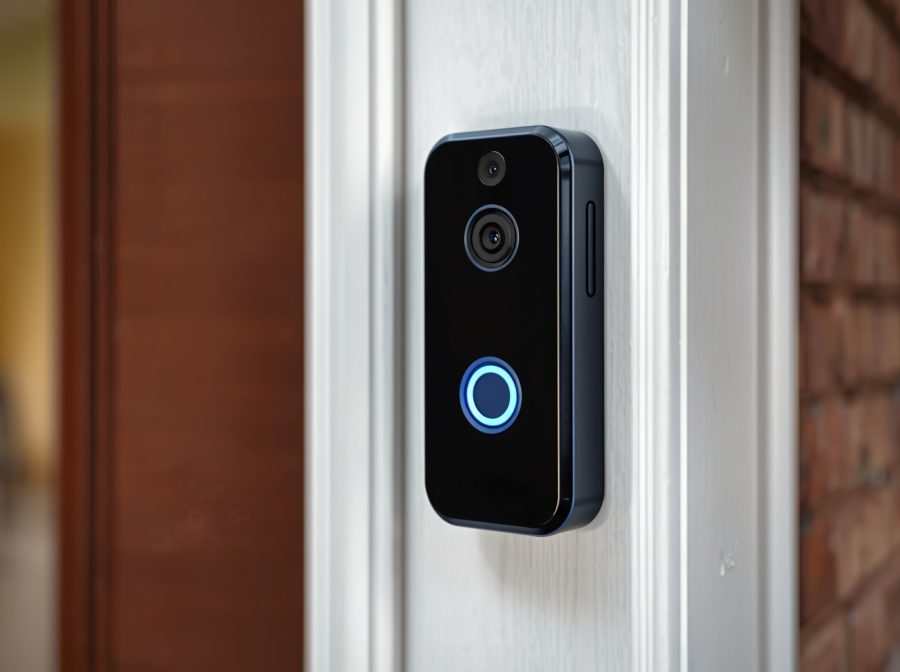
Why Smart Doorbells Need Stable Power
A smart doorbell needs more consistent power than a traditional doorbell button. It is not only sending a signal to a chime; it is also powering video, motion detection, alerts, recording features, and network communication. If the voltage is weak or unstable, the device may not perform reliably.
In many homes, the existing transformer is the weak point. It may have worked fine for a basic chime system for years, but it may not provide the output needed for a modern smart doorbell. The device may power up, but still struggle when several features are active at once. That is why installation should include checking the transformer and voltage, not just mounting the device. A clean power supply helps the smart doorbell operate without constant resets, missed alerts, or weak performance.
ALL ELECTRICAL SERVICES OFFERED
Live Oak Electrical Services delivers expert solutions for all your home electrical needs. From lighting upgrades to smart home installations, our certified electricians provide safe, reliable, and efficient services. Trust us to keep your home powered and secure.
When the Transformer Becomes the Problem
The transformer is often hidden in a garage, attic, closet, utility area, or near the electrical panel, which means it is easy to forget it exists. But it controls the low-voltage power feeding the doorbell. If it is undersized, worn, or poorly connected, the smart doorbell can become unpredictable.
We often see this when homeowners install the doorbell correctly at the front entry but still deal with power warnings or unstable operation. The wiring at the device may be fine, but the transformer is not giving it enough support. What looks like a defective doorbell is really a supply problem. Replacing or correcting the transformer can make a major difference. The goal is to match the power source to the device’s requirements so the system can handle normal operation without struggling.
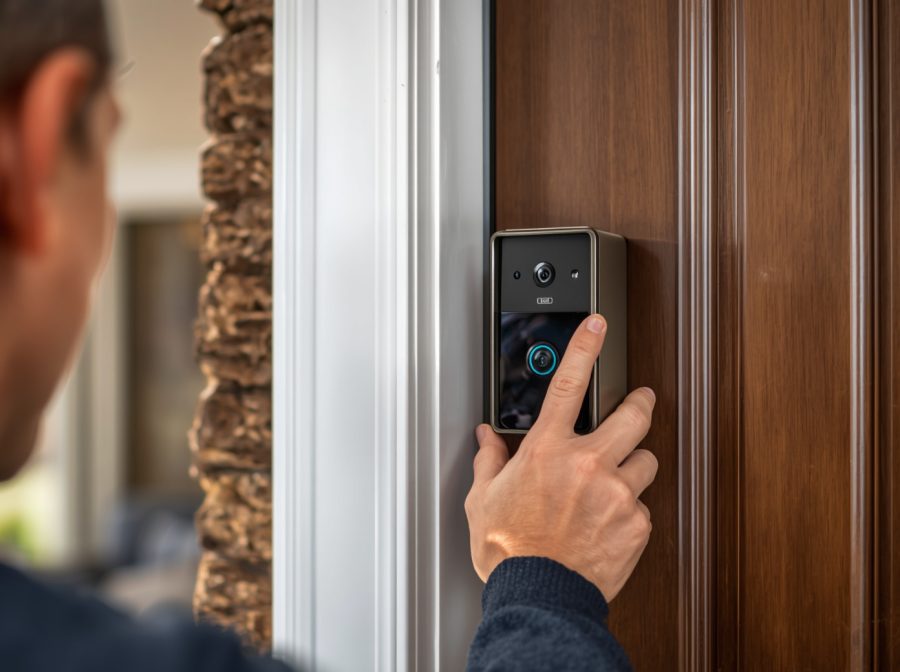
Why Existing Doorbell Wiring Has to Be Checked
Doorbell wiring is small, low-voltage wiring, and it can age, loosen, or become damaged over time. Because it is often hidden behind trim, walls, attic spaces, or chime boxes, problems are not always obvious during a basic installation. The doorbell may mount cleanly while the circuit behind it is weak.
In many homes, the wiring has been painted over, spliced, extended, or moved during previous repairs. Those changes can create weak points that affect voltage and signal consistency. A smart doorbell is more sensitive to those weaknesses because it depends on steady power all day.
This is why we check the wiring path and connection points when needed. A loose splice, corroded connection, or damaged wire can cause the same problems as a weak transformer, and both need to be ruled out before the installation is complete.
How Chime Compatibility Affects the Setup
Smart doorbells do not always work smoothly with existing mechanical or digital chimes. Some systems need adapters, bypasses, or specific wiring arrangements to operate correctly. If the chime is not compatible, the doorbell may buzz, fail to ring inside, or lose power when pressed.
We usually see this when the doorbell camera works in the app but the indoor chime becomes unreliable. Sometimes the chime hums, sometimes it does not ring, and sometimes the doorbell resets when someone presses it. That usually means the doorbell, chime, and power supply are not working together properly.
A proper installation accounts for the whole doorbell circuit, not just the device outside. The transformer, chime, wiring, and smart doorbell all need to be matched so the system works without strange side effects.
Live Oak Electrical Services Beaufort County and Beyond
Why Mounting and Weather Exposure Matter
A smart doorbell is installed outdoors, so weather exposure matters. Rain, humidity, heat, sunlight, and movement at the entry can all affect how well the device holds up. The mounting needs to protect the wiring and keep the device secure.
In many homes, the old doorbell button was mounted in a way that did not fully protect the wiring behind it. When a larger smart doorbell is installed, gaps, uneven surfaces, or exposed conductors can become a problem. Moisture near the wiring can lead to corrosion or intermittent power issues over time. The installation should leave the device secure, properly seated, and connected in a way that can handle daily use. A smart doorbell that shifts, loosens, or lets moisture reach the wiring will not stay dependable.
When Smart Doorbell Problems Keep Coming Back
Repeated smart doorbell problems usually mean the original installation did not address the full system. Replacing the device may not help if the transformer is weak, the wiring is damaged, or the chime setup is not compatible. The same symptoms can come back with a new unit.
What happens next is frustration with notifications, recordings, and entry monitoring. The homeowner may miss visitors, lose video, or keep getting power warnings even though the doorbell appears to be installed correctly. That is when the electrical side needs to be checked more carefully.
If your smart doorbell has already been reset, replaced, or reconnected and still acts up, call 843-505-1167. We can inspect the transformer, wiring, chime connection, and power delivery to find out why it is not staying stable.
Smart Doorbell Setup That Keeps Power and Performance Stable
Smart doorbell installation should create a system that works every day without constant attention. The goal is not just to mount the device, but to make sure it has the electrical support needed for video, alerts, chime function, and reliable operation. That starts with the wiring and transformer.
Our team focuses on power supply, voltage, transformer condition, wiring connections, chime compatibility, mounting, and weather exposure. We look at how the entire doorbell circuit supports the device instead of treating it like a simple button replacement.
That helps prevent the small issues that cause smart doorbells to become unreliable. The result is an entryway device that responds quickly, stays powered, and performs consistently. Instead of missed alerts, power warnings, or repeated resets, the doorbell has a stable setup designed around how the system actually works.