
Portable Generator Transfer Switch Installation | Live Oak Electrical
Safely connect your portable generator with a professionally installed transfer switch, giving you reliable backup power without risking your system or safety.
Why Generator Setups Fail When the Connection Isn’t Planned
A generator is only as useful as the way it connects to your home. Without a properly designed connection, even a fully functioning generator won’t deliver power where it’s actually needed.
What happens next in many situations is the generator runs, but the system struggles to distribute that power correctly. We usually see this when lights flicker, certain circuits won’t stay powered, or the generator seems to strain under normal use.
This is one of those issues that looks like a generator problem at first, but it often comes down to how the home is wired to receive and manage that power.
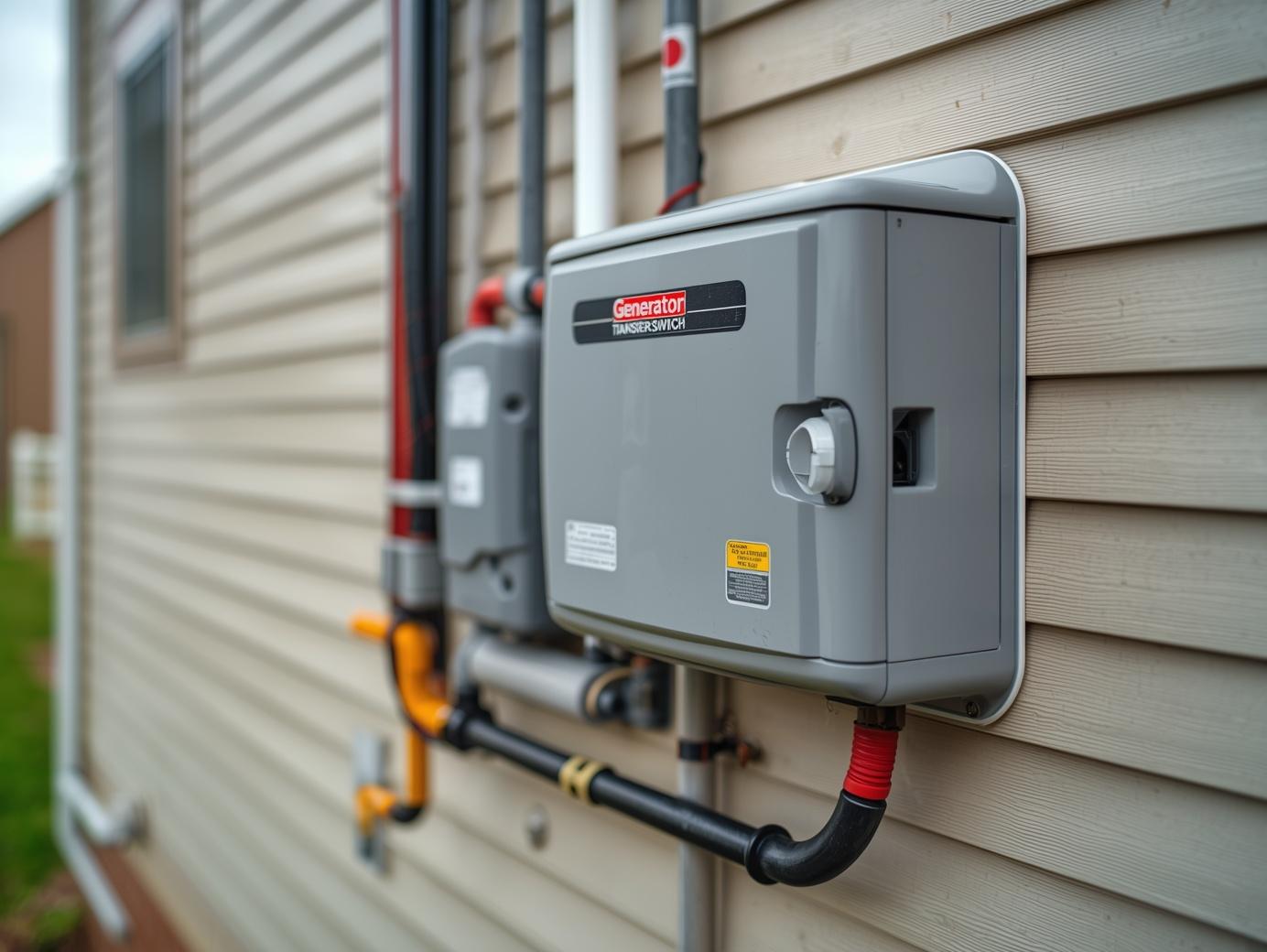
What a Proper Portable Generator Transfer Setup Actually Does
A transfer switch or interlock controls how power moves between the utility and your generator. One of its main roles is keeping utility power and generator power separated. Without proper isolation, power can flow in unsafe directions, creating hazards before the system can even function as reliable backup power.
We usually see issues when too many circuits are tied into the generator without proper planning. This leads to overload, where the generator struggles to keep up and performance drops across everything connected. Instead of stable backup power, the system becomes inconsistent and unreliable.
Another key part of a proper setup is having a secure and stable connection point. Without the right inlet and wiring, heat can build up at those connections, leading to discoloration, melting, or intermittent power. If your generator setup has been inconsistent or relies on temporary connections, call us at 843-505-1167 and we’ll help you sort out a proper solution.
ALL ELECTRICAL SERVICES OFFERED
Live Oak Electrical Services delivers expert solutions for all your home electrical needs. From lighting upgrades to smart home installations, our certified electricians provide safe, reliable, and efficient services. Trust us to keep your home powered and secure.
Where DIY Generator Hookups Usually Go Wrong
This is one of the most common areas where temporary fixes turn into long term risks. What may seem like a quick solution often leads to bigger issues once the system is actually under load. We usually see this when a generator is connected without a transfer switch or when makeshift cords are used to feed power into the home. It may appear to work at first, but it doesn’t stay controlled, especially as demand increases or conditions change.
Load balance is another common problem. When too many high demand circuits are placed on one side, the generator struggles even if it’s properly sized. On top of that, worn cords, loose connections, or exposure to weather can all affect how safely and reliably the system operates.
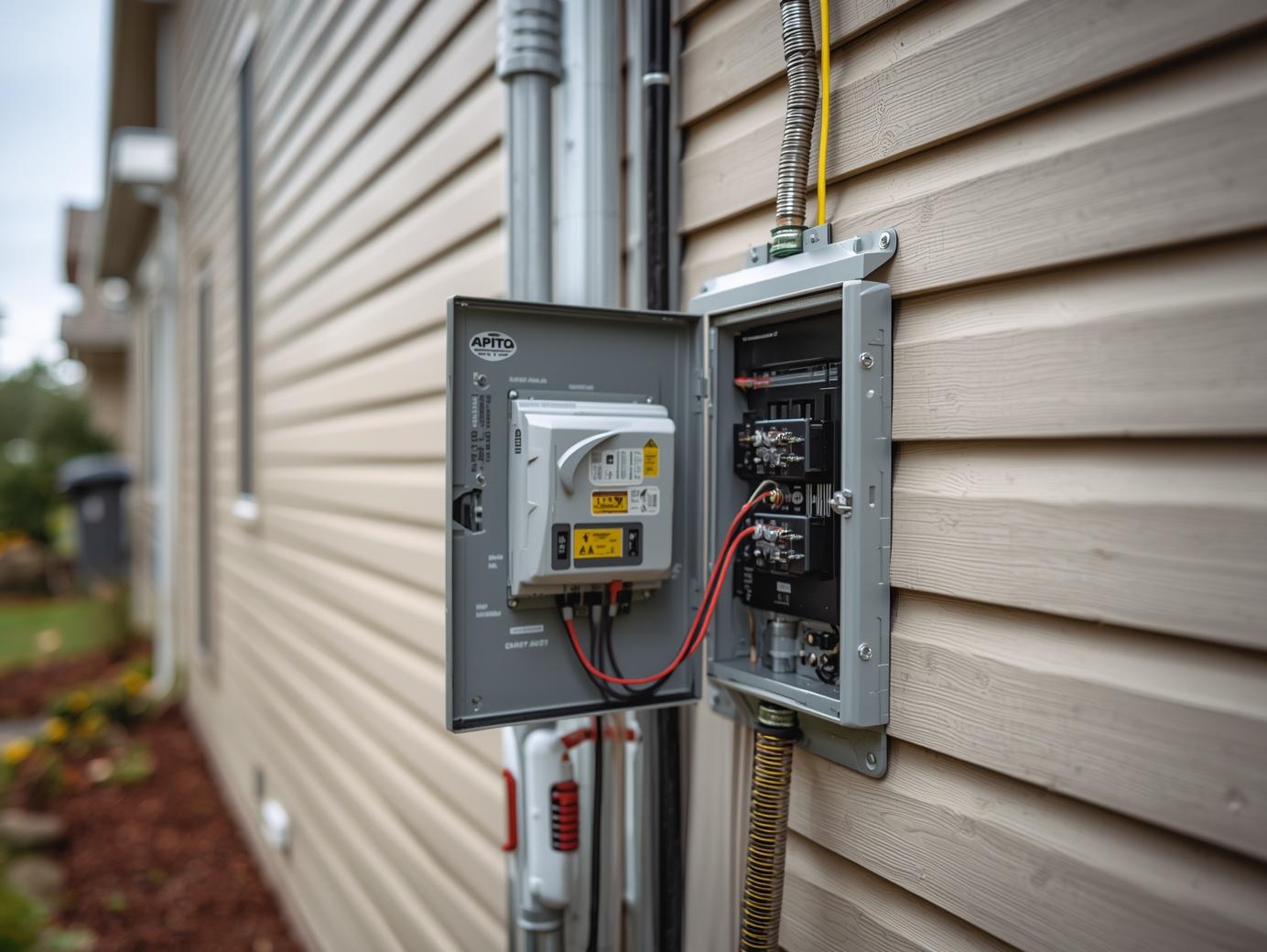
What Tends to Fail When the System Is Overloaded or Miswired
Generator systems that aren’t set up correctly usually show signs of stress at the connection points first. These are the areas that take the most load, and they’re often the first to reveal when something isn’t balanced or wired properly.
We usually see this when the inlet begins to discolor or when the panel shows signs of heat buildup. In many homes, the next components affected are the breaker, the inlet, or the internal connections that are trying to handle more load than they’re designed for.
What happens next can include a complete loss of backup power or even damage to the generator itself. Over time, repeated stress like this shortens the lifespan of both the generator and the electrical system it’s connected to.
When Homeowners Decide They Need a Real Backup Solution
Most people don’t think about transfer switches until they’ve already gone through an outage. It’s usually something that only becomes a priority after the system has been put to the test.
We usually see this after extended power loss, spoiled food, or a generator setup that didn’t perform the way it should have. Near places like the Jasper County Courthouse, where outages can interrupt both daily routines and essential home systems, those experiences tend to highlight the need for something more reliable.
What happens next is a shift away from temporary fixes toward a setup that works consistently every time the power goes out. If you’re at that point, call us at 843-505-1167 and we’ll help you get your generator connected the right way.
Live Oak Electrical Services Beaufort County and Beyond
What a Proper Generator Connection Changes
Once a generator is connected the right way, the difference is immediate. Power flows where it’s needed without overloading circuits or stressing the system. Instead of guessing what will stay on, the setup is predictable and controlled.
We usually see that when circuits are properly selected and balanced, the generator runs more efficiently and consistently. There’s no flickering, no unexpected shutdowns, and no strain on key components. Over time, this kind of setup reduces wear on both the generator and the home’s electrical system, keeping everything operating the way it should during an outage.
How a Well Planned Setup Holds Up Over Time
A properly installed system doesn’t just work once, it continues to perform every time it’s needed. The connection points stay stable, the load stays balanced, and the system responds the same way during each outage.
We usually see that when everything is installed with long term use in mind, problems like overheating, loose connections, or inconsistent power don’t show up later. The system stays reliable instead of needing constant adjustments. This is where the difference shows between a temporary solution and a setup that’s built to handle real demand over time.
A Generator Setup That Works When It Matters Most
If your current setup feels unreliable, inconsistent, or not fully connected to your home’s needs, there’s usually a deeper issue behind it. Generator systems depend on proper planning, load management, and safe integration to actually perform during an outage.
Our team focuses on identifying where those gaps exist and building systems that handle real demand without strain. We don’t just connect a generator, we design the setup, balance the load, and ensure every part of the system works together safely. The result is a system that delivers power the way it should, consistently, safely, and without the guesswork when you need it most.