
Light Switch Repair | Live Oak Electrical
Restore dependable control to switches that feel loose, flicker, crackle, stop responding, or no longer operate lights and fixtures safely.
What It Means When a Light Switch Feels Different
Light switch problems often start with small changes. The switch may feel loose, sound different, delay before turning on, or cause flickering.
This usually happens after years of daily use. Parts inside the switch can wear down, and wiring connections behind the wall can loosen.
If a switch feels different or works inconsistently, call 843-505-1167. We can check whether the issue is the switch, wiring, or fixture.
Why Flickering Is Not Always a Bulb Problem
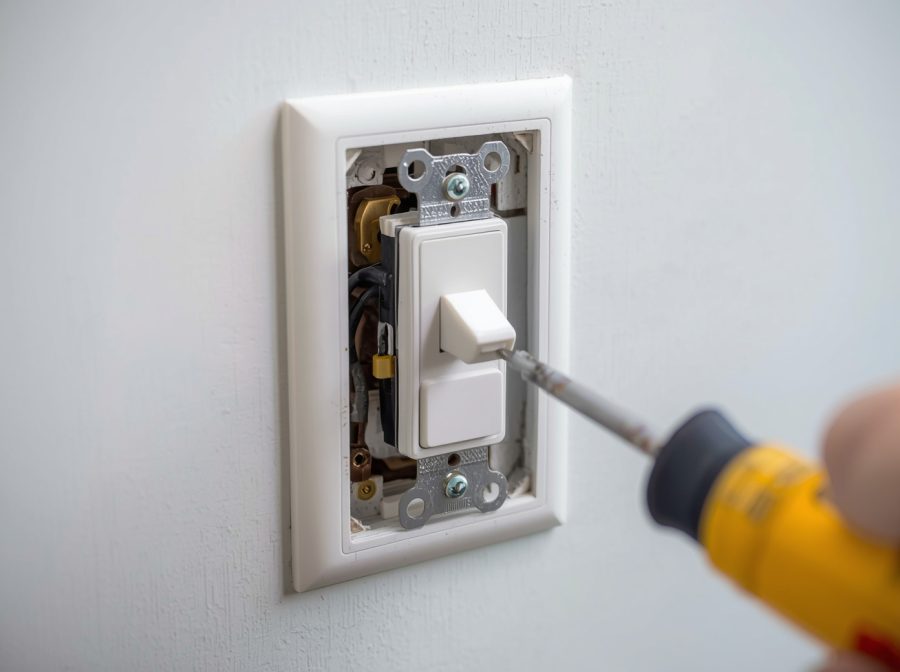
Flickering lights are often blamed on the bulb first, and sometimes that is the answer. But when the flicker happens from one switch or changes when the switch is touched, the problem may be in the control point. A worn switch or loose wire can interrupt power just enough to make the fixture react.
In many homes, this shows up with ceiling lights, vanity lights, recessed fixtures, or exterior lights that still work but do not feel steady. The switch may be making partial contact instead of a clean connection. That can create flickering, delay, or a light that only works when the switch is pressed a certain way.
Once this starts, it rarely gets better with use. The connection usually continues to weaken, and the flicker becomes more frequent. A proper repair checks the switch and the wiring before assuming the fixture is the only problem.
ALL ELECTRICAL SERVICES OFFERED
Live Oak Electrical Services delivers expert solutions for all your home electrical needs. From lighting upgrades to smart home installations, our certified electricians provide safe, reliable, and efficient services. Trust us to keep your home powered and secure.
When the Problem Is Behind the Wall
The switch on the wall is only the part you touch. Behind it, there may be wire connections, splices, grounding, and box conditions that all affect how safely the switch works. If anything back there is loose, damaged, or crowded, the switch can behave unpredictably.
We often see this when a switch has been replaced before, when the box is tight, or when older wiring has been moved around during past repairs. The faceplate may look normal, but the conductors inside may not be secured the way they should be.
What happens next is flickering, buzzing, or a switch that fails again after being replaced. That is why light switch repair should not be treated like a surface problem. The switch needs to be pulled and checked safely so the condition inside the box can be evaluated. Otherwise, the same issue can come back even with a new switch installed.
Why Loose Switches Need Attention
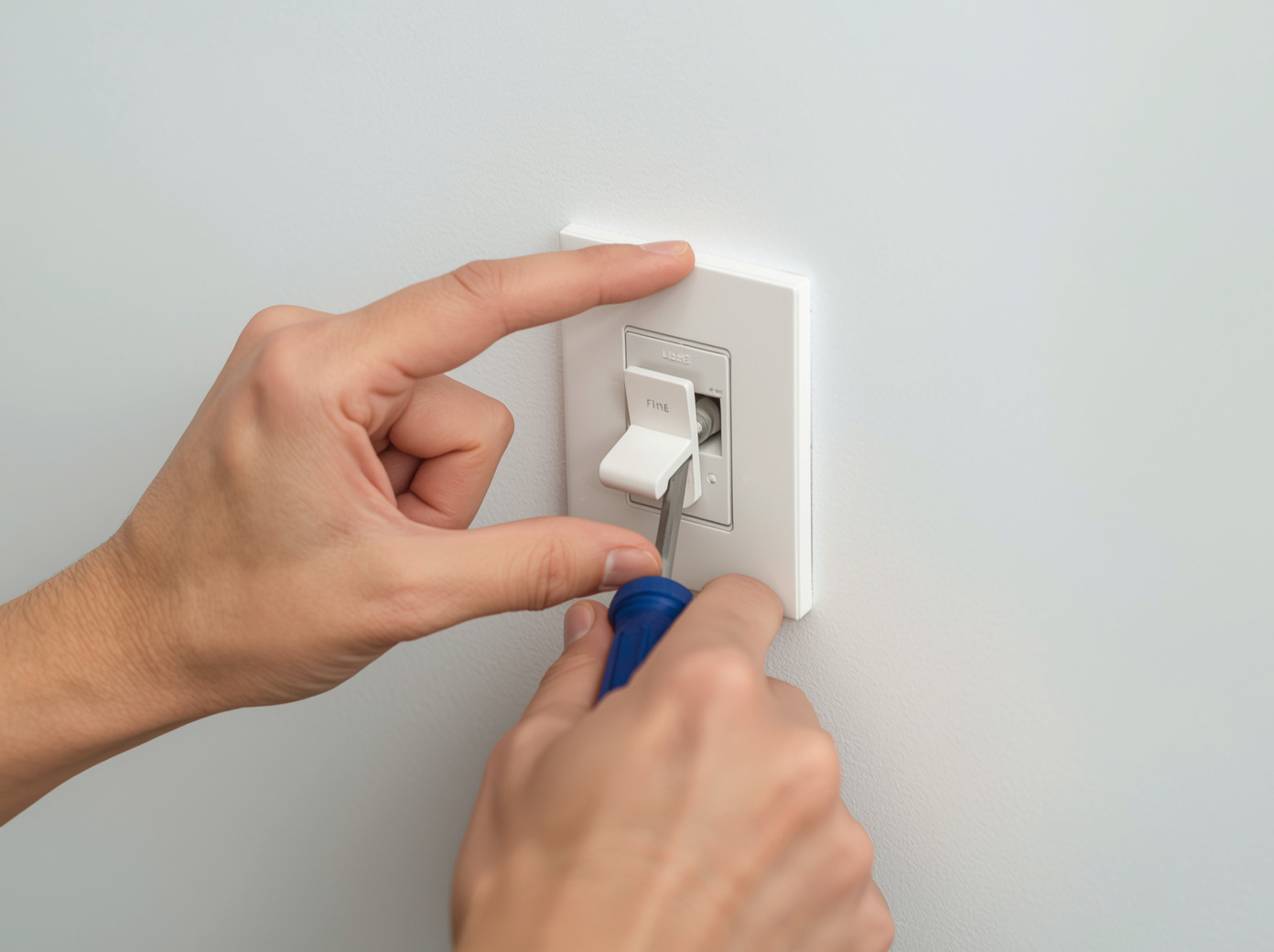
A switch that moves in the wall can put stress on the wiring every time it is used. That movement may seem small, but repeated pressure can loosen terminals or weaken the mounting over time. The more the switch shifts, the more the connection behind it can be affected.
In many homes, the real issue is a worn device, loose mounting screws, or a box that is no longer holding the switch firmly. This can happen in busy areas where the switch is used several times a day. Over time, the device no longer feels solid, and that instability becomes part of the electrical problem.
A loose switch should be corrected before it starts causing more noticeable symptoms. Securing the device, checking the wiring, and replacing worn components helps restore safe control at the wall.
How Dimmers and Multi-Way Switches Add Complexity
Dimmer switches and multi-way switches can create different repair challenges than a basic switch. A dimmer has to match the lighting load, and a multi-way setup has to be wired correctly so more than one switch can control the same fixture. If either setup is mismatched, the symptoms can be confusing.
We usually see this when lights buzz, flicker, fail to dim smoothly, or only work from one switch location. Sometimes the switch itself is wrong for the fixture. Other times, the wiring path between switches has been disturbed or connected incorrectly during a previous replacement. These problems need more than guesswork. The circuit has to be identified properly so the right device is installed in the right position. That keeps the repair from creating new control problems.
Live Oak Electrical Services Beaufort County and Beyond
When a Switch Feels Warm or Makes Noise
A switch should not feel hot, buzz loudly, crackle, or smell burnt. Those signs usually mean the connection is under stress or the device is failing internally. Even if the light still turns on, the switch may not be safe to keep using.
What happens next is usually gradual damage. Heat can weaken the device, affect the insulation near the connection, and make the switch less reliable each time it is used. A crackling sound can also point to arcing inside the switch or at a loose terminal. If a switch is warm, noisy, or smells unusual, call 843-505-1167. That is the point where the repair should be handled before the problem spreads to the fixture, wiring, or other parts of the circuit.
When Replacement Is the Better Repair
Some switches can be tightened or corrected, but many need replacement once the internal contacts are worn. If the switch feels weak, has delayed response, sparks, cracks, or no longer controls the fixture consistently, a new properly rated switch is usually the safer choice.
In many homes, replacement is also the right time to correct the setup around the switch. That may include securing the box, improving the connection, correcting grounding, or making sure the device matches the load it controls.
The repair should solve the whole control issue, not just change the part on the wall. A good replacement should feel solid and respond cleanly. The light should turn on without flicker, buzzing, heat, or hesitation. That is the difference between a quick swap and a repair that actually restores confidence.
Safer Light Switch Repair for Dependable Daily Use
Light switch repair should leave the control point safer and more dependable than it was before. The goal is not just to make the light turn on once, but to correct the reason the switch stopped feeling right in the first place. That may involve the device, the wiring, the box, or the fixture connection.
Our team checks how the switch is mounted, how the wires are secured, and whether the device is matched to what it controls. We look for the weak point that is likely to keep causing trouble if it is left alone. That helps prevent the same switch from failing again after a simple replacement. The result is a switch that feels firm, responds cleanly, and controls the fixture without flickering, buzzing, or heat. Instead of wondering what is happening behind the wall, the home gets a safer control point built for regular use.