
GFCI & AFCI Outlet and Circuit Safety Upgrades | Live Oak Electrical
Upgrade unsafe or outdated outlet and circuit protection so your home has safer power where shock risks, moisture, and wiring faults are most likely to show up.
GFCI & AFCI Reset Problems That Keep Coming Back
A GFCI outlet that will not reset or an AFCI breaker that keeps tripping often starts as a small frustration. One outlet goes dead, a reset button will not hold, or a breaker trips when an appliance turns on.
This can happen when the device is worn, moisture reaches the circuit, or a connection behind the wall starts to loosen. The problem may come and go before becoming more frequent under load.
If the same outlet or breaker keeps acting up, call 843-505-1167. We can check whether the issue is the device, wiring, or circuit behind it.
Why These Devices Trip Before You See the Problem
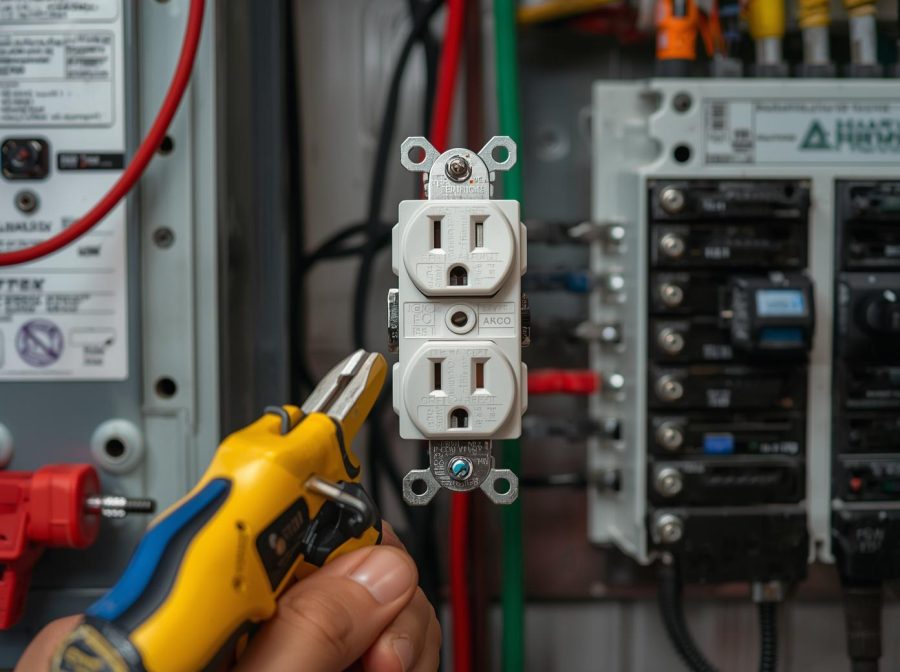
GFCI and AFCI devices are designed to respond before a homeowner can always see what is happening. A GFCI watches for current leaking outside its intended path, which is why it matters around kitchens, bathrooms, laundry areas, garages, and exterior outlets. An AFCI watches for arcing patterns that can happen when wiring, terminals, or insulation start to break down.
The confusing part is that both problems can look simple from the outside. The outlet may still look clean, the breaker may reset for a while, and the room may only lose power once in a while. Behind the wall, though, there may be moisture, corrosion, a loose connection, or a damaged conductor creating the condition.
Once this starts, it rarely becomes more predictable on its own. The circuit may behave one day and trip the next because humidity changed, an appliance ran longer, or the connection heated up under load. That is why repeated tripping needs more than another reset.
ALL ELECTRICAL SERVICES OFFERED
Live Oak Electrical Services delivers expert solutions for all your home electrical needs. From lighting upgrades to smart home installations, our certified electricians provide safe, reliable, and efficient services. Trust us to keep your home powered and secure.
When the Reset Button Will Not Stay In
A reset button that will not hold is usually one of the clearest signs that the issue has moved past a simple nuisance. Sometimes the GFCI device has reached the end of its life and can no longer reset properly. Other times, the device is still detecting a fault somewhere on the protected side of the circuit.
We often see this in areas where moisture and daily use meet. A bathroom outlet may fail after years of hair dryers and humidity, or a garage outlet may start tripping after outdoor equipment has been plugged in repeatedly. The first few failures may seem small because the power comes back, but the pattern matters more than any one reset.
Forcing the button over and over can create a false sense of control. If the outlet keeps rejecting the reset, the system is usually telling us there is still something wrong. The repair needs to identify whether the protection device has failed or whether the circuit is unsafe for it to energize.
When the Outlet Is Not the Real Source
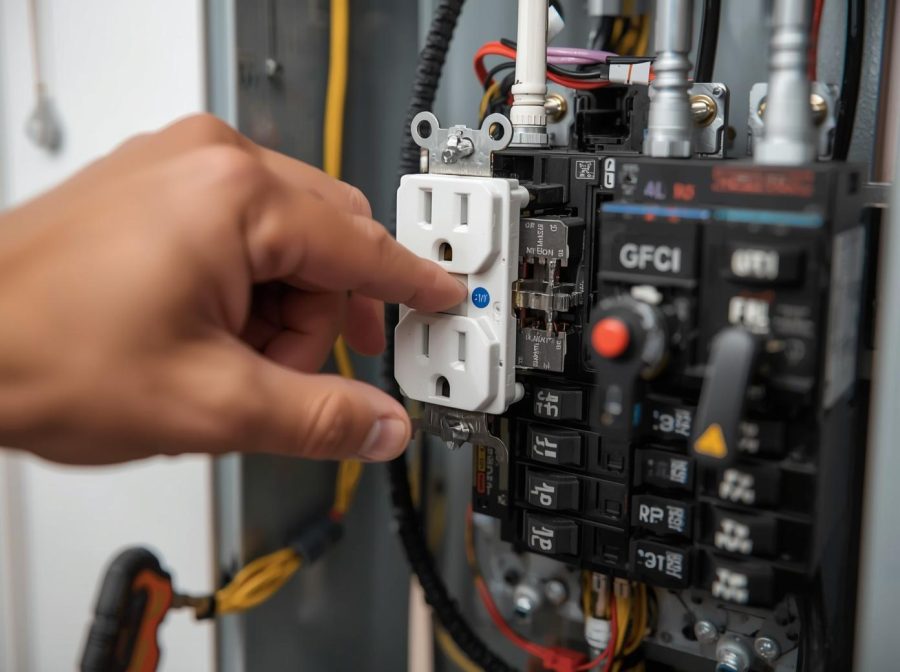
The outlet in front of you is not always where the problem begins. GFCI protection can feed other receptacles downstream, so one failed reset may affect several areas at once.
In many homes, the real issue is farther along the same run. A damp exterior box, loose terminal, damaged cord, or corroded connection can trip the GFCI even when the reset button is somewhere else.
That is why the circuit needs to be traced instead of guessed at. Replacing only the visible device may bring power back briefly, but the same condition can return if the real fault is still active.
Why AFCI Breakers Can Feel Like Nuisance Tripping
AFCI breakers can be frustrating because the cause is not always obvious. A breaker may trip when a vacuum, treadmill, microwave, or motor-driven appliance runs, then reset normally afterward. From the homeowner’s side, it can look like the breaker is being too sensitive.
What happens next is usually a pattern that gets blamed on the appliance, the breaker, or the room. Sometimes an older motor creates electrical noise that the breaker reacts to, but other times the AFCI is detecting a weak connection or damaged conductor. Those conditions can create small arcs that do not leave clear visible evidence right away.
That is why AFCI troubleshooting should not start with assuming the breaker is bad. The breaker may be worn, but it may also be doing the job it was designed to do. The safest repair checks the load, wiring, connections, and breaker behavior before deciding what needs to change.
Live Oak Electrical Services Beaufort County and Beyond
How Moisture, Heat, and Loose Connections Make It Worse
GFCI and AFCI issues often become more noticeable when the home is dealing with heat, humidity, storms, or heavier electrical use. Moisture can affect exterior boxes, garage outlets, crawlspace wiring, and other areas where protection is especially important. Heat can also make weak connections expand, loosen, and act differently under load.
Loose connections are one of the biggest concerns because they can create both power loss and heat. A wire that is not held tightly may work most of the time, then fail when a larger appliance starts or the circuit runs longer than usual. Over time, that small movement can damage the device, the insulation, or the connection point.
This is one of those problems that should not be handled by simply swapping parts until the tripping stops. If moisture, heat, or a loose connection is the real cause, the repair needs to correct that condition. Otherwise, the same circuit can keep failing in a new place later.
When Safety Upgrades Become the Better Choice
Sometimes a single GFCI outlet can be replaced and the circuit is fine. Other times, the pattern shows that the home needs a broader safety upgrade. Repeated tripping, old devices, missing protection, outdated breakers, or wiring that no longer matches how the home is used can all point in that direction.
We usually see this when homeowners have added more demand over time. Home offices, garage tools, kitchen appliances, outdoor equipment, chargers, and newer electronics can change how a circuit behaves compared to when it was first installed. A protection setup that barely worked before may start showing its limits.
If the same area keeps losing power or the same breaker keeps reacting, call 843-505-1167. We can inspect the affected circuit and help determine whether replacement, correction, or a larger safety upgrade is the better long-term fix.
GFCI & AFCI Outlet and Circuit Safety Upgrades That Focus on Long-Term Stability
GFCI and AFCI upgrades should not be treated like a quick device swap when the same problem keeps returning. The real goal is to understand why the protection is acting up and whether the system is responding to a worn device, a wiring fault, moisture, or unsafe load behavior. That is what separates a lasting upgrade from a temporary reset.
Our team focuses on how the outlets, breakers, wiring, panel connections, and connected loads are working together under normal use. We do not just replace the part that is easiest to see. We look at where the circuit is most likely to keep failing and correct the weak points that affect safety and reliability.
The result is a system that feels more stable and easier to trust. Instead of wondering whether the next trip is a nuisance or a warning sign, the home gets protection that is better matched to how the circuit is actually used. For GFCI and AFCI outlet and circuit safety upgrades, call Live Oak Electrical at 843-505-1167.