
Generator Maintenance | Live Oak Electrical
Keep your generator ready with maintenance that supports dependable startup, stable transfer, and consistent backup power when outages happen.
When Generator Maintenance Starts to Matter
Generator maintenance often matters before a homeowner notices a problem. The unit may look fine and even run during a short weekly exercise cycle, but that does not always mean it is ready for a real outage.
After long stretches of light use, parts like the battery, fuel system, transfer equipment, and electrical load may weaken without obvious signs. A short test run does not place the same demand on the system.
If your generator has not been serviced recently, call 843-505-1167. We can check whether it is ready to respond when needed.
Why a Generator Can Run and Still Not Be Ready
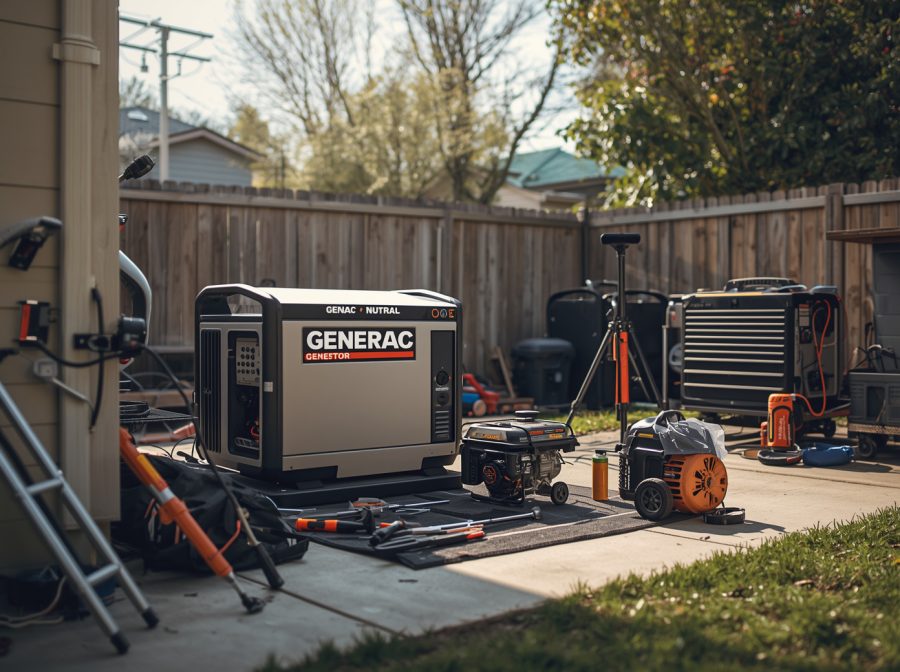
A generator that starts is not automatically a generator that is ready. It still has to stabilize, produce usable power, communicate with the transfer switch, and handle the electrical demand placed on it. If any part of that sequence is weak, the unit can fail even though it sounded normal during a quick run.
In many homes, the issue is not one dramatic failure. It is a battery that is slowly losing strength, a charger that is not keeping up, a loose connection that only acts up under load, or a transfer switch that has not been tested carefully. Those problems do not always show themselves during a short exercise cycle.
That is why maintenance needs to look at the whole standby system. The engine matters, but so do the controls, wiring, fuel delivery, battery condition, transfer equipment, and the way the system behaves when real power demand is applied.
ALL ELECTRICAL SERVICES OFFERED
Live Oak Electrical Services delivers expert solutions for all your home electrical needs. From lighting upgrades to smart home installations, our certified electricians provide safe, reliable, and efficient services. Trust us to keep your home powered and secure.
Why Transfer Equipment Needs Attention Too
The transfer switch is the part that makes backup power useful. A generator can start and run, but if the transfer equipment does not respond correctly, the home may never receive power. That is why generator maintenance should never stop at the unit itself.
What happens next in neglected systems is usually confusion. The generator is running outside, but lights are still off inside, certain circuits do not come back, or the system does not switch the way it should. The homeowner hears the generator and assumes power should be restored, but the connection between the generator and the electrical system is not completing the job.
A maintenance visit gives us a chance to look at the transfer side before that happens. Control wiring, contact condition, enclosure condition, and operating sequence all affect whether the system can move from utility power to generator power safely and consistently.
How Battery and Charging Problems Lead to Failure
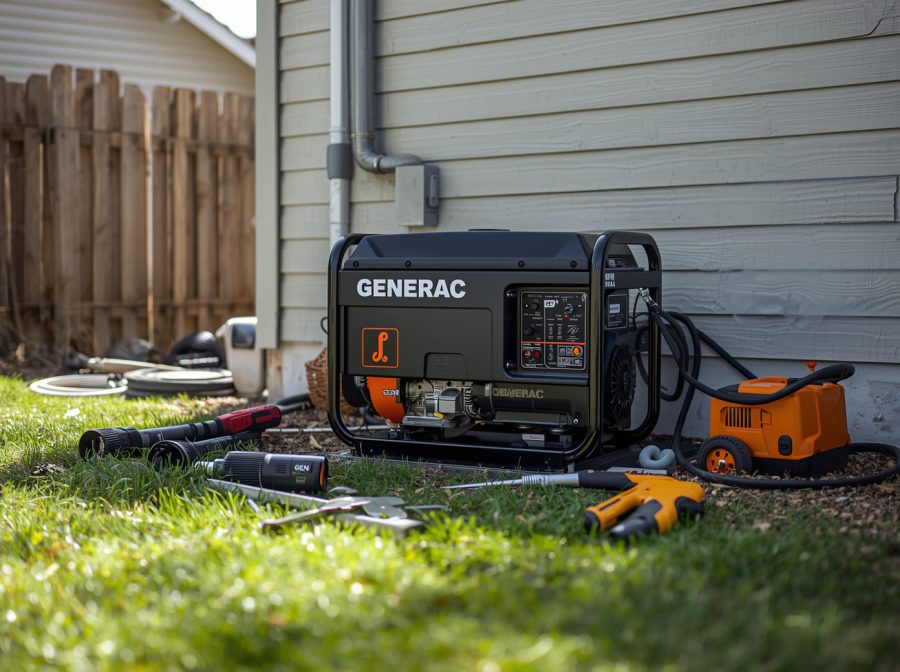
The battery is one of the most common reasons a standby generator fails to respond. If it is too weak to crank the unit, the system never gets a chance to run.
Heat, humidity, long gaps between outages, charger issues, and corroded terminals can weaken the battery quietly. It may pass a light test but fail when reliable startup matters.
Maintenance checks battery age, charging voltage, terminals, and connections before an outage exposes the problem.
What Heat, Humidity, and Storm Seasons Do Over Time
Standby generators sit outside through heat, moisture, storms, and long periods of changing weather. Even when the generator is not running, those conditions are working on the enclosure, wiring, terminals, sensors, and connection points. Over time, exposure can turn small wear into a real failure point.
Moisture and corrosion are especially common around terminals and control connections. A connection may look acceptable until vibration, load, or weather changes make it unstable. Once that starts, the generator may run inconsistently or produce faults that seem random.
Storm season adds another layer because that is when the system is most likely to be needed repeatedly. A generator that has not been maintained may survive one outage and struggle during the next. Maintenance helps find those weak points while there is still time to correct them calmly.
Live Oak Electrical Services Beaufort County and Beyond
When Small Issues Turn Into Expensive Repairs
Generator problems often begin as small maintenance items. A dirty connection, weak battery, worn belt, clogged filter, old oil, or minor sensor issue can be corrected before it affects the whole system. Left alone, those same issues can start causing failed starts, shutdowns, or damaged components.
In many homes, the next failure point is created by the first one. A weak battery causes repeated start attempts, repeated attempts strain the starter, and poor charging lets the same problem return. A dirty fuel or air path can make the engine work harder, which increases wear during long outages.
This is why maintenance is less about checking a box and more about preventing chains of failure. The goal is to correct small problems before they become the reason the generator cannot carry the home when utility power drops.
When Generator Maintenance Should Be Scheduled
Generator maintenance should be handled before the season when outages are most likely, not after the first failure. If the unit has been sitting for months, running only short test cycles, or showing warning lights, it is time to have it checked. Waiting until storm clouds are already moving in usually gives the system no margin for error.
We also recommend maintenance when the home’s electrical demand has changed. New HVAC equipment, appliances, additions, pumps, or other loads can affect how the generator performs. A system that was once well matched may need attention if the home is asking more from it than before. If the generator has failed a test, struggled to start, shut down unexpectedly, or shown any fault code, call 843-505-1167. Those signs should be treated as early warnings, not something to clear and forget.
Generator Maintenance That Focuses on Long-Term Stability
Generator maintenance should support the full backup power system, not just make the engine run for a few minutes. The real goal is to confirm that the generator can start, stabilize, transfer, and carry the load when the home loses utility power. That takes more than listening for the unit to turn on.
Our team focuses on the battery, charger, wiring, controls, transfer switch, fuel-related components, filters, fluids, and signs of wear that could affect performance. We look for the weak points that tend to show up during longer outages, not just the obvious problems that appear during a quick check.
The result is a generator that is easier to trust when the weather turns or the power drops unexpectedly. Instead of waiting for an outage to reveal the problem, the system gets maintained around dependable startup, clean transfer, and stable backup power.