
Generac Generator Installation | Live Oak Electrical
Keep your home powered with Generac generator installation built for reliable backup performance during outages and long term system stability
When Outages Start Showing What the Home Actually Needs
When the power goes out, most homeowners find out quickly what the home actually depends on. We usually see this when outages last longer than expected and temporary setups stop feeling practical.
What seems manageable at first often turns into constant adjustments, limited access to power, and uncertainty about what can run safely. Temporary solutions usually start showing their limits once the outage stretches on.
Generac generator installation is about putting a system in place that can support the home more reliably. That gives you backup power that is built around how the home actually functions during an outage.
Why Portable Generator Setups Stop Working for Longer Outages
Portable generators can help in short periods, but they are not designed to support an entire home without tradeoffs. They require manual setup, active monitoring, and careful decisions about what can run at the same time. That becomes harder to manage the longer the outage lasts.
We usually see this when homeowners try to cover too many areas of the home with extension cords or shift loads around just to keep essentials operating. The result is often overload, unstable performance, or repeated restarting to keep the system balanced. What feels workable for a few hours usually becomes frustrating over a full day or longer.
Inside the system, the issue is control. In many homes, the weak point becomes either the generator struggling under load or the temporary wiring arrangement not distributing power in a stable way. That is why portable setups often stop feeling reliable once outages become more serious.
ALL ELECTRICAL SERVICES OFFERED
Live Oak Electrical Services delivers expert solutions for all your home electrical needs. From lighting upgrades to smart home installations, our certified electricians provide safe, reliable, and efficient services. Trust us to keep your home powered and secure.
What Goes Into Installing a Standby Generator the Right Way
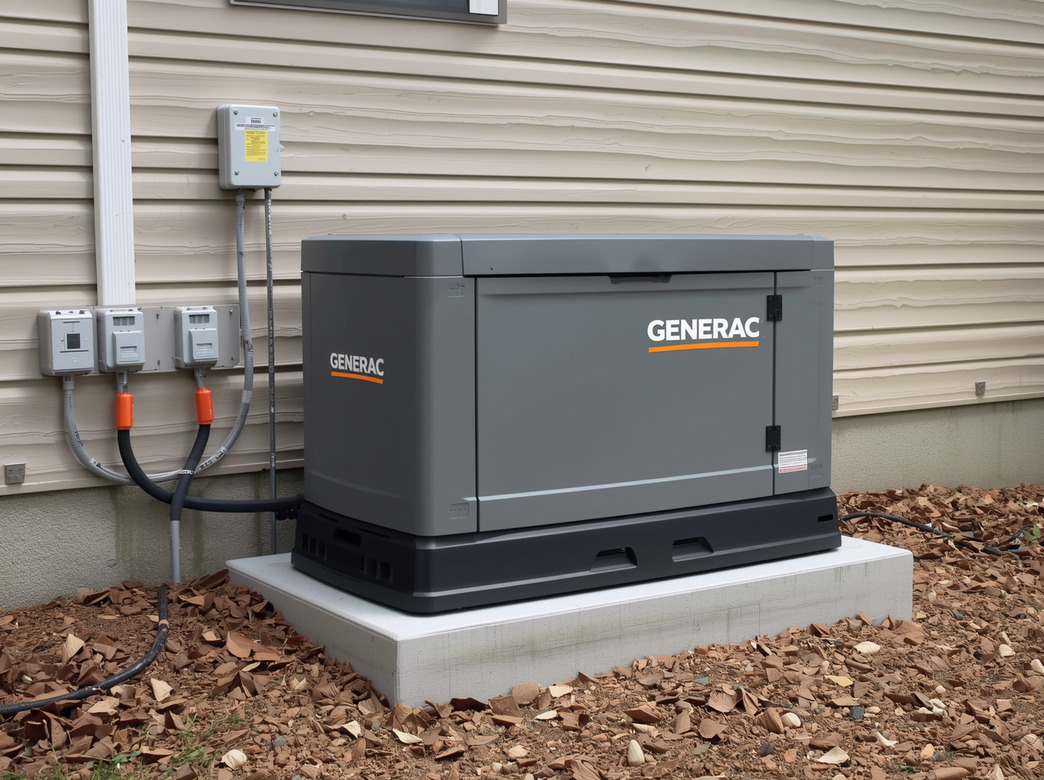
A standby generator system is designed to restore power automatically when utility service goes down. Instead of relying on manual switching, it connects directly to the home and transfers power through dedicated equipment. That makes the transition more controlled and easier to depend on.
We start by looking at what the home actually needs to support during an outage. That may include HVAC, refrigeration, lighting, well equipment, or other essential circuits depending on how the home is used. Proper sizing matters because backup power only works well when the system is matched to the real electrical demand.
From there, the generator, transfer equipment, and electrical connections all have to be installed as one coordinated system. The goal is not just to add a generator to the property. It is to create a setup that can carry the load safely and switch over the way it is supposed to.
When Generator Installation Starts Becoming a Safety Issue
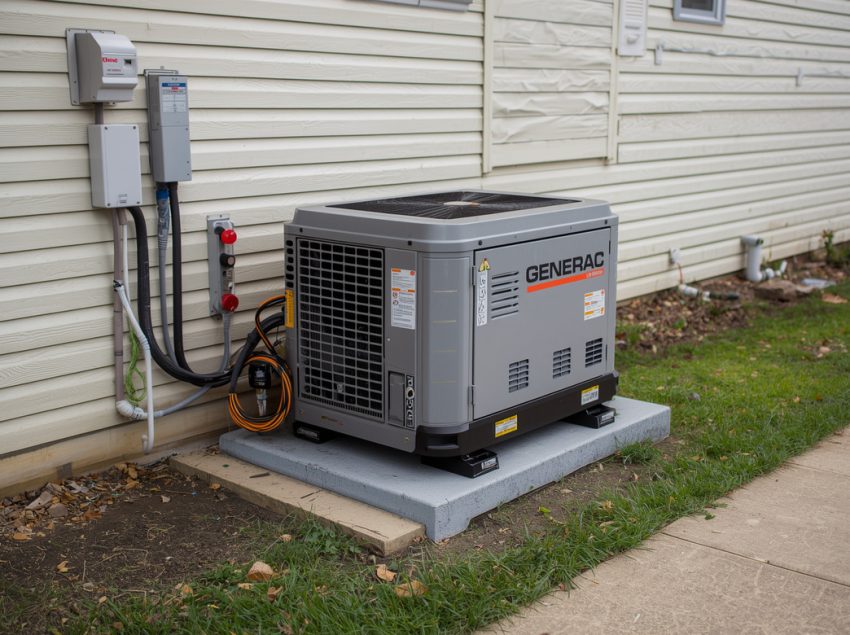
There is a point where generator installation becomes more than a convenience issue. We usually see that when a system is installed without proper transfer control, safe clearances, or ventilation planning. At that point, the concern shifts from reliability to safety.
The risk is often built into the setup itself. Improper transfer equipment can affect how power moves through the home, while poor placement can create exhaust or clearance problems outside. These issues do not correct themselves once the system is in place.
Once the generator operates under those conditions, the risk usually increases with every use. What looks complete on the surface may still be missing the safeguards that make backup power safe and dependable.
What Else Starts Failing When the System Is Not Set Up Right
A generator installation affects more than just whether the power comes back on. In many homes, the next issue shows up in the transfer equipment that manages how power moves between the utility and the generator. If that part of the system is not sized or installed correctly, the whole setup becomes less predictable.
We often see problems where the generator does not carry load consistently or certain circuits drop out when demand increases. That usually points back to sizing issues, load imbalance, or installation problems in the supporting equipment. The generator may still run, but the system around it does not respond the way it should.
The electrical panel can also be affected if the load is not distributed properly. Then there is the generator itself. Running under poor conditions can shorten equipment life, create performance issues, and add stress that keeps building over time.
Live Oak Electrical Services Beaufort County and Beyond
How Backup Power Problems Start Affecting Daily Life
Most homeowners first notice the problem in how difficult the outage becomes to manage. Instead of the system taking over smoothly, everything starts requiring attention. Power has to be rationed, priorities keep changing, and normal routines start revolving around what the temporary setup can handle.
That kind of disruption adds up quickly during a longer outage. Refrigeration, heating and cooling, lighting, and other basic needs become harder to manage once reliable power is no longer available throughout the home. What seemed like a workable backup plan often turns into a day-to-day limitation.
This is usually the point where homeowners stop looking for a temporary fix and start thinking about a permanent system. The issue is no longer just losing power. It is how much strain the outage puts on the home when there is no dependable backup system in place.
When Homeowners Decide a Permanent Backup System Makes Sense
There is usually a specific outage that makes the decision clear. We often see that after a multi-day power loss or repeated storms that interrupt normal life more than once. That is when the limits of temporary backup become harder to ignore.
Around areas near the Savannah National Wildlife Refuge, where weather patterns can shift quickly, outages tend to show how much the home depends on stable power. What used to feel manageable for a short period starts looking very different when the outage lasts longer or keeps happening again. That is often when homeowners begin planning for something more consistent.
As those interruptions keep affecting daily use, the value of automatic backup power becomes more obvious. The goal stops being to work around the outage and starts becoming to keep the home functioning with less disruption. That is usually when a standby generator becomes the more practical long-term solution.
Generac Generator Installation That Supports Reliable Backup Power
A standby generator system should do more than turn on during an outage. It should support the home in a way that feels stable, automatic, and predictable when utility power is no longer available. That only happens when the generator, transfer equipment, and electrical system are all working together the right way.
Our team looks at how the home uses power, what needs to stay running, and how the backup system should respond under load. We do not just place equipment and make connections. We build the system around the real demands of the property so it performs the way a permanent backup solution should.
The result is a setup that feels easier to trust when the power goes out. Instead of relying on workarounds, manual switching, or limited temporary coverage, the home gets a backup power system designed to support normal use more consistently over time.