
Ballasts Installation | Live Oak Electrical
Precision Ballast Installation That Eliminates Flickering, Restores Stable Power Flow, and Keeps Your Lighting Performing the Way It Should Over Time
Signs Your Ballast May Be Failing
If your lights are buzzing, flickering, or taking too long to turn on, there’s a good chance the ballast inside the fixture is starting to fail. This is something we commonly see with fluorescent or older shop-style lighting, where performance becomes inconsistent before the fixture stops working altogether.
In areas like the Grahamville community, we’ve worked in homes where bulbs were replaced multiple times, only to find the real issue was behind the fixture.
If your lighting isn’t behaving the way it should, call us at 843-505-1167 and we’ll take a look at what’s happening inside the fixture.
What’s Actually Happening Inside the Fixture
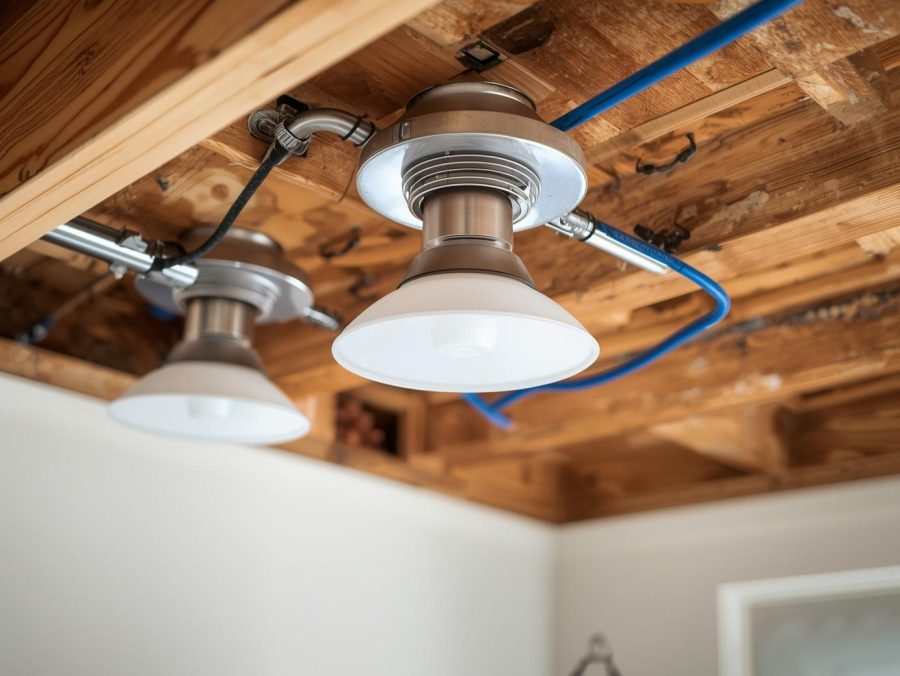
A ballast controls how power is delivered to the lamp, and when it begins to fail, that control becomes unstable. One of the first issues is a loss of consistent current, meaning the lamp no longer receives steady power. This often shows up as flickering lights or delayed startup, especially in fixtures that are used frequently.
As the ballast continues to wear down, heat buildup inside the fixture becomes more noticeable. Fixtures may feel warmer than usual, and you might even see discoloration around the housing. Once this starts, it typically doesn’t resolve on its own—heat speeds up the breakdown of internal components and shortens the lifespan of both the ballast and the bulbs.
Eventually, the internal components degrade to the point where the ballast struggles to properly “strike” the lamp. This is when you’ll notice repeated attempts to turn on, strobing, or complete failure even with new bulbs installed. If your lights are showing these patterns, call us at 843-505-1167 and we’ll help determine whether the ballast or the fixture itself is the issue.
ALL ELECTRICAL SERVICES OFFERED
Live Oak Electrical Services delivers expert solutions for all your home electrical needs. From lighting upgrades to smart home installations, our certified electricians provide safe, reliable, and efficient services. Trust us to keep your home powered and secure.
Why Ballast Problems Tend to Show Up Gradually
Ballast problems tend to show up gradually rather than all at once. In most cases, the early signs are subtle and easy to miss. Lights may take longer to turn on, a faint humming sound can start to develop, and brightness may begin to fluctuate.
These symptoms often appear while the fixture is still partially working, which makes the issue seem minor or inconsistent. Because everything hasn’t failed completely, it’s common for people to overlook the warning signs and delay addressing the problem.
Over time, however, the internal components of the ballast continue to wear down. What starts as small performance issues can quickly escalate into more serious failures, eventually reaching a point where the fixture can no longer keep up or stops working altogether.
Where Ballast Replacement Gets Tricky
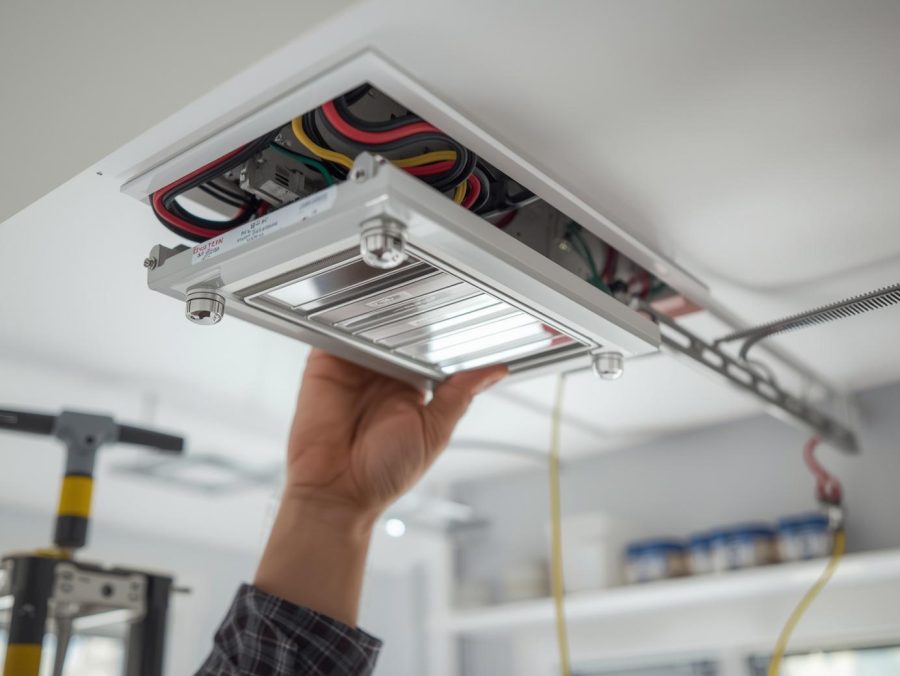
From the outside, swapping a ballast can look simple, but inside the fixture it’s more specific than it seems. Wiring differences between old and new ballasts are a common issue, and incorrect connections can cause the fixture to fail or stop working again soon after installation.
We also see problems during LED upgrades when the ballast isn’t properly removed or bypassed. This can lead to inconsistent lighting or complete failure.
The condition of other components matters too. Worn lamp holders or heat-damaged wiring can continue causing issues even after a new ballast is installed.
What Tends to Fail Next If the Ballast Isn’t Addressed
A failing ballast doesn’t stay contained to just one symptom. What often starts as flickering or slow startup can lead to more frequent bulb burnouts or a fixture that stops responding altogether. In many homes, we see the next failure point shift to the lamp holders or internal wiring, especially when excess heat has already been building inside the fixture.
As the problem progresses, the damage can spread beyond the ballast itself. This may result in a complete loss of lighting in that area or even visible wear and damage to the fixture housing. Over time, the cost of repeatedly replacing bulbs or attempting temporary fixes begins to add up without solving the underlying issue.
In more advanced cases, the ballast can reach a point where it produces a noticeable odor or even releases residue. By then, the issue is no longer easy to ignore and typically requires immediate attention to prevent further damage or safety concerns.
Live Oak Electrical Services Beaufort County and Beyond
When Homeowners Decide It’s Time to Fix It Properly
Most people start by replacing the bulbs, assuming that’s the source of the problem. We usually see this when new bulbs are installed but the same issues continue—buzzing, flickering, or no light at all. In areas near the Technical College of the Lowcountry (Jasper Campus), where garages and workspaces depend on reliable lighting, these problems tend to stand out quickly.
What follows is often frustration. The fixture should be working, but it isn’t, even after multiple attempts to fix it. That’s typically the point when it becomes clear the issue goes beyond the lamp itself and something deeper inside the fixture needs attention. If you’re at that stage, call us at 843-505-1167 and we’ll help you determine whether the ballast needs to be replaced or if a different upgrade would be the better long-term solution.
Ballast Installation Done the Right Way
Ballast issues don’t always start with a complete failure. What usually happens is the fixture becomes unreliable first, with lights flickering, taking longer to turn on, or stopping intermittently. These are signs that the ballast is no longer regulating power correctly and needs to be replaced before the problem spreads.
We usually see this when older fixtures or fluorescent systems begin to wear down over time. What happens next can include repeated bulb failures, heat buildup inside the fixture, or inconsistent performance even after new lamps are installed. At that point, proper ballast installation becomes the only way to restore stable lighting.
Our team handles ballast installation with attention to the entire fixture, not just the component itself. We make sure the wiring is correct, the setup matches the fixture type, and everything is operating safely and consistently. Once installed properly, your lighting works the way it should without the recurring issues.