
Attic Fan Installation | Live Oak Electrical
Improve attic airflow with a properly installed fan that helps reduce heat buildup, moisture concerns, and strain on the upper areas of the home.
Why Attic Heat Can Make the Whole Home Feel Warmer
Attic heat can build quietly before homeowners notice. Upstairs rooms may feel warmer, the cooling system may run longer, or the home may feel harder to balance in hot weather.
This often happens when the attic does not move air well enough. Hot air collects under the roof and keeps pushing heat into the living space below.
Once an attic fan is being added, the wiring, controls, and safe power source matter just as much as the ventilation.
Why Passive Ventilation Is Not Always Enough
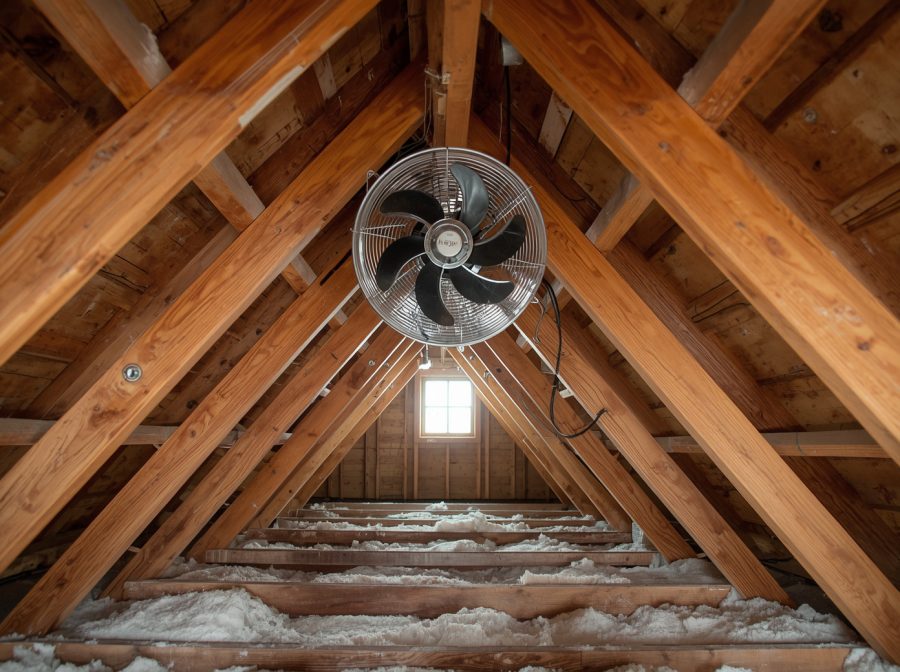
Many attics already have vents, but vents alone do not guarantee strong airflow. If air is not moving properly, heat can still sit in the attic and affect the rest of the home. Passive ventilation depends heavily on roof design, vent placement, and how well air can enter and leave the space.
In many homes, the issue is not that there is no ventilation at all. The issue is that the existing airflow cannot keep up with the heat being trapped during the day. That can make the attic feel stagnant, especially during the hottest parts of the year. An attic fan helps by actively pulling hot air out instead of waiting for natural airflow to do the job. When installed correctly, it supports the existing ventilation and helps the attic release heat more consistently..
ALL ELECTRICAL SERVICES OFFERED
Live Oak Electrical Services delivers expert solutions for all your home electrical needs. From lighting upgrades to smart home installations, our certified electricians provide safe, reliable, and efficient services. Trust us to keep your home powered and secure.
How Attic Heat Affects Wiring and Materials
Attics can be hard on electrical components because heat sits directly around wiring, junction boxes, and connections. Even when everything is installed correctly, prolonged high temperatures can age materials faster. Insulation around wires can become brittle over time, and connections may be affected by repeated expansion and contraction.
We often see this in homes where the attic has stayed extremely hot for years. The wiring may still be working, but the environment around it is not doing it any favors. Heat does not always cause immediate failure, but it can contribute to long-term wear. That is why attic fan installation should be handled with the electrical conditions in mind. The fan needs safe wiring, a proper power source, and controls that can operate reliably in a hot attic environment.
When an Attic Fan Becomes the Right Upgrade
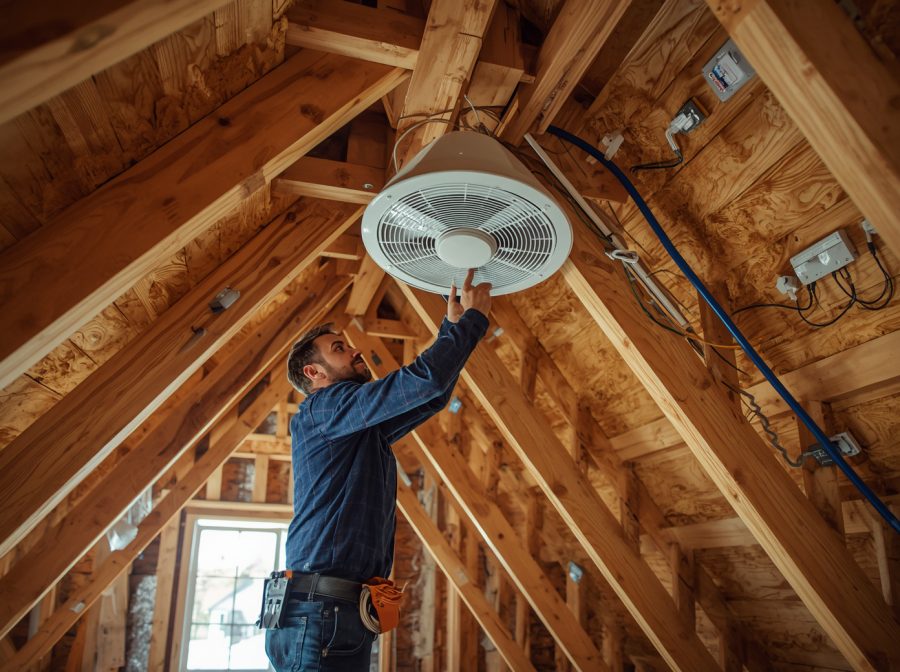
An attic fan makes sense when heat is getting trapped and ventilation is not enough. This may show up as warm upper rooms, longer cooling cycles, or a noticeable difference between the attic and living space.
We often see this after homeowners try adjusting thermostats, vents, or insulation, but the attic still holds heat. Improving airflow at the source becomes the more practical step.
If your attic stays hot even after temperatures drop, call 843-505-1167. We can install an attic fan with the proper electrical setup for safe, consistent operation.
Why Fan Placement and Sizing Matter
An attic fan has to be placed where it can actually move air through the space. If the fan is too small, poorly located, or working against the existing ventilation pattern, it may run without making much difference. The goal is controlled airflow, not just adding another motor in the attic.
In many homes, the next issue comes from installing a fan without thinking through air intake. If the fan pulls air from the wrong place, it can create pressure problems or reduce the benefit of the system. Proper placement helps the fan work with the attic instead of fighting against it. Sizing also matters because each attic has different volume, roof shape, and ventilation conditions. A properly selected fan can move enough air to support the space without creating unnecessary strain or noise.
Live Oak Electrical Services Beaufort County and Beyond
How Controls Affect Long-Term Performance
Attic fans often use thermostat or humidity controls so they operate when conditions call for it. That control setup matters because a fan that runs too often can waste energy, while one that runs too late may not provide enough benefit. The control needs to match the purpose of the installation.
We often see problems when fans are wired without enough thought to how they will be used day to day. A manual switch may be useful in some cases, but many homeowners want the fan to respond automatically. That means the wiring and controls need to be dependable. The fan should turn on when the attic needs ventilation and shut off when it does not. That kind of consistent operation helps the fan support the home without becoming something the homeowner has to constantly manage.
Why Proper Wiring Is Critical in the Attic
Attic fan wiring has to hold up in a demanding environment. Heat, insulation, limited access, and tight working spaces all make clean installation important. A loose connection or poorly supported cable can become a problem later because the attic is not a place people inspect every day.
In many homes, attic wiring is already crowded around lighting, HVAC equipment, junction boxes, or older circuits. Adding a fan without checking the available electrical support can overload or complicate a circuit that was not meant for it.
The fan should have a safe, stable connection that fits the home’s existing system. If you are adding attic ventilation and want the electrical side handled correctly, call 843-505-1167. We can install the fan wiring, controls, and connections so the system is not just working, but properly supported.
Attic Fan Installation Built Around Safe, Steady Airflow
Attic fan installation should improve the way the attic behaves over time, not just add a fan that runs when it gets hot. The real value comes from matching the fan, placement, wiring, and controls to the conditions in the space. That creates a system that supports ventilation without creating new electrical concerns.
Our team focuses on how the attic is built, how air moves through it, where the fan should be powered from, and how the control setup should operate. We do not treat the fan as a simple accessory. We look at how it fits into the home’s heat, moisture, and electrical environment. The result is an attic fan setup that feels practical and dependable. Instead of trapped heat sitting above the living space with no active airflow, the attic gets a system designed to move air safely and consistently when it is needed.