
Outlet Repair | Live Oak Electrical
Restore safe, steady power to outlets that feel loose, stop working, spark, overheat, or no longer hold plugs securely.
Small Outlet Problems Can Point to Bigger Issues
Outlet problems often start small. A plug may feel loose, one side may stop working, or power may flicker when a cord moves. At first, it may seem like the device is the issue.
This often happens after years of use, especially with outlets powering chargers, lamps, appliances, office equipment, or garage tools. The outlet may look fine, but the internal contacts can weaken and make the connection unstable.
If an outlet feels loose, unreliable, warm, or sparks, call 843-505-1167. We can check whether the problem is the device, wiring, or circuit.
Why Loose Outlets Should Not Be Ignored
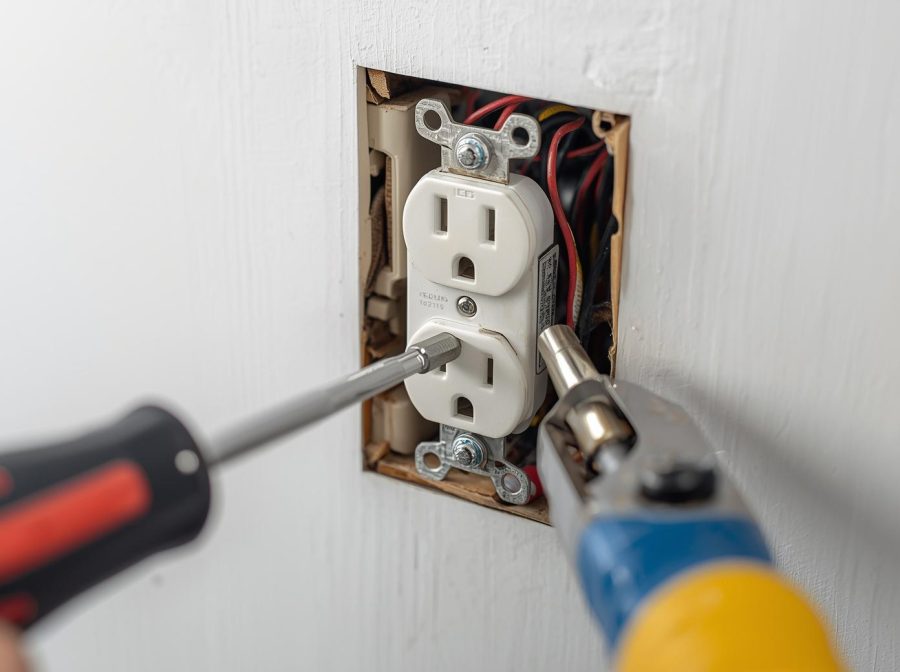
A loose outlet is more than an inconvenience. When a plug does not sit tightly, the connection between the plug and the receptacle is weaker than it should be. That weak connection can create resistance, and resistance can create heat during normal use.
In many homes, this develops slowly. The outlet may still power devices, but plugs slide out more easily or need to be positioned a certain way to work. That is usually a sign that the internal grip has worn down and the outlet is no longer holding a safe, consistent contact.
Once this starts, heavier loads can make the problem more noticeable. Space heaters, hair dryers, countertop appliances, and power strips can all expose an outlet that is already worn or loose.
ALL ELECTRICAL SERVICES OFFERED
Live Oak Electrical Services delivers expert solutions for all your home electrical needs. From lighting upgrades to smart home installations, our certified electricians provide safe, reliable, and efficient services. Trust us to keep your home powered and secure.
When an Outlet Stops Working Completely
A dead outlet does not always mean the outlet itself has failed. Power may be interrupted by a loose connection, a tripped GFCI somewhere else, a failed splice, or a problem upstream on the same circuit. That is why guessing can lead to replacing the wrong part.
We often see this when several outlets lose power at the same time, even though only one outlet seemed to have trouble first. In those cases, one weak connection can interrupt the flow of power to everything downstream. The outlet that appears dead may only be the point where the problem becomes visible. What happens next is frustration because a simple replacement may not bring power back. The circuit has to be checked in the order power moves through it so the actual break or failure point can be found.
When the Outlet Is Not the Real Source
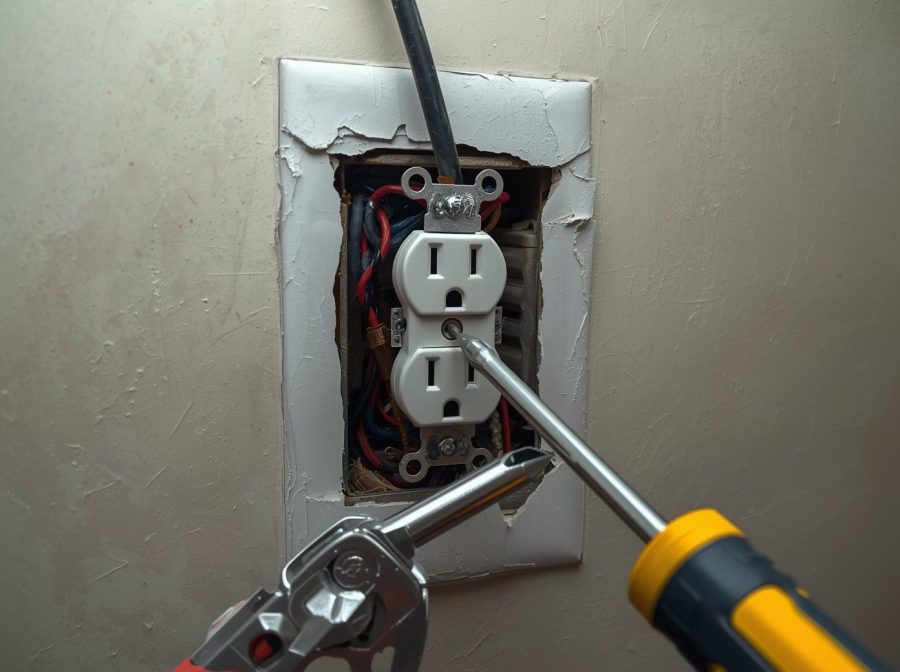
The outlet in front of you is not always where the problem begins. It may be connected to other receptacles, switches, or devices on the same run, and one weak point can affect several locations. This is especially common when outlets are wired in sequence.
In many homes, the real issue is inside the box or at another connection nearby. A loose terminal screw, damaged conductor, crowded box, or weakened splice can cause power loss even if the visible outlet appears normal. Replacing only the face device may not correct the condition.
That is why the repair needs to look beyond the outlet cover. The wiring, box condition, grounding, and circuit behavior all help determine whether the outlet failed by itself or whether something else is causing the trouble.
How Heat Damage Starts Around an Outlet
Heat damage often begins before there is any obvious burn mark. A weak connection, overloaded outlet, or worn receptacle can warm up under use and cool back down when the load is removed. Over time, that repeated heating can discolor the outlet face or damage the wiring behind it.
We usually see this when an outlet has been used for appliances or devices that draw more power for longer periods. The outlet may feel warm, smell faintly burnt, or show slight discoloration around the slots. Those signs should be taken seriously because they usually mean the connection is under stress. This is one of those problems that can get worse each time the outlet is used. If heat has already affected the device, the repair should include checking the wiring and box, not just replacing the outlet face.
Live Oak Electrical Services Beaufort County and Beyond
Why DIY Outlet Replacement Can Miss the Problem
Outlet replacement looks simple, but the details matter. Wires need to be secured properly, the device must match the circuit, and the box needs enough space for the connections to sit without pressure. A rushed replacement can leave the same risk behind the wall.
We often see problems when outlets are replaced without identifying why the old one failed. If the issue was a loose splice, damaged wire, overloaded circuit, or poor grounding, a new outlet may work for a while and then start showing the same symptoms. That makes the repair feel done when the real cause is still active.
A proper repair checks the connection points and the condition of the conductors before everything is closed back up. The goal is not just to restore power, but to make sure the outlet can handle normal use safely.
When Outlet Replacement Becomes the Better Repair
Some outlets are too worn or damaged to keep in service. If the plug fit is loose, the face is cracked, the outlet is discolored, or the internal contacts are weak, replacement is usually the better repair. A worn receptacle should not be trusted just because it still passes power.
In many homes, older outlets no longer match how the space is used. Home offices, entertainment areas, kitchens, garages, and bedrooms now carry more electronics than they did when many outlets were first installed. That increased use can expose outlets that are past their reliable service life.
If you have outlets that spark, feel warm, or no longer hold plugs securely, call 843-505-1167. We can replace the failed device and check the surrounding wiring so the problem does not return in the same spot.
Outlet Repairs That Fix the Problem Behind the Receptacle
Outlet repair should not stop at making one receptacle work again. The better repair is the one that explains why the outlet failed and corrects the condition that made it unreliable. That may involve the device, the wiring, the box, the grounding, or the circuit feeding it.
Our team checks how the outlet is being used, how the wires are connected, and whether other parts of the circuit are being affected. We do not want to replace the visible outlet while leaving a weak connection behind the wall. That is how repeat failures happen.
The result is an outlet that feels secure, holds plugs properly, and delivers power more consistently. Instead of dealing with loose plugs, dead spots, or heat concerns, the home gets a safer connection built around everyday use.