
Smart Thermostat Installation | Live Oak Electrical
Upgrade your thermostat with smart controls that work properly with your HVAC system, wiring, and daily comfort needs.
What’s Behind Most Smart Thermostat Problems
A smart thermostat may look simple, but it controls one of the most important systems in the home. If the wiring, power, or setup is wrong, the HVAC equipment may not respond correctly.
We often see this when cooling works but heat does not, the fan acts strangely, or the thermostat loses power after running. That can lead to repeated resets and app troubleshooting.
If your smart thermostat is not behaving correctly or you want it installed without guessing, call 843-505-1167. We can help set it up the right way.
Why Thermostat Wiring Has to Match the System
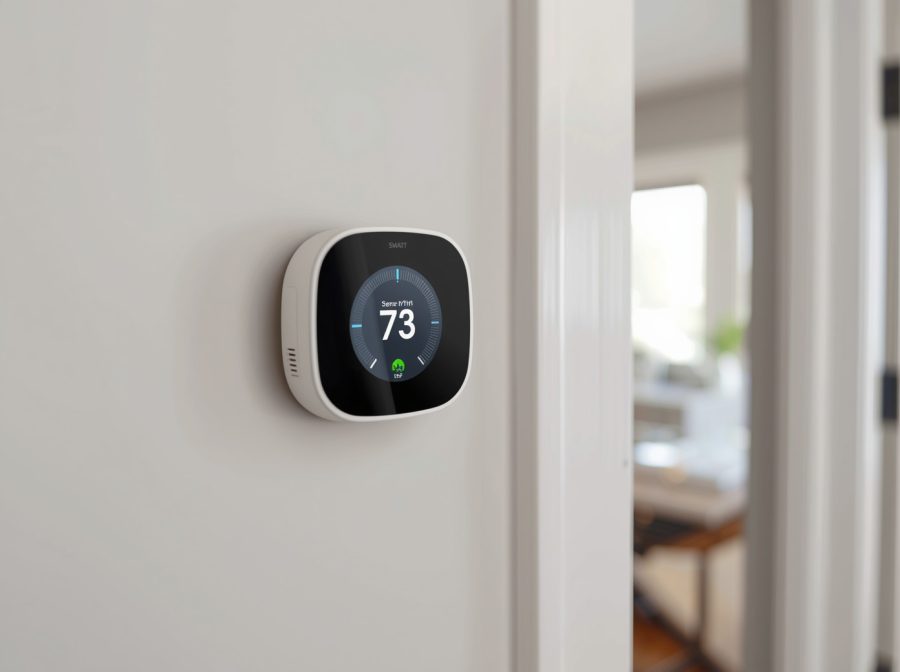
Smart thermostats rely on low-voltage wiring to communicate with the HVAC equipment. Those wires tell the system when to heat, cool, run the fan, or switch stages depending on the setup. If one wire is missing, loose, or connected incorrectly, the thermostat may only work part of the time.
In many homes, the existing thermostat wiring was installed for a simpler control. The old thermostat may have worked fine because it did not need constant power or advanced communication. A smart thermostat often needs a stronger wiring setup, especially when features like Wi-Fi, scheduling, and system monitoring are active. That is why the wiring should be checked before the new thermostat is installed.
The number of conductors, terminal labels, common wire availability, and HVAC equipment type all affect whether the thermostat will operate correctly. next because humidity changed, an appliance ran longer, or the connection heated up under load. That is why repeated tripping needs more than another reset.
ALL ELECTRICAL SERVICES OFFERED
Live Oak Electrical Services delivers expert solutions for all your home electrical needs. From lighting upgrades to smart home installations, our certified electricians provide safe, reliable, and efficient services. Trust us to keep your home powered and secure.
When the Common Wire Becomes the Issue
The common wire, often called the C-wire, is one of the most common trouble points with smart thermostat installations. Many smart thermostats need it to maintain steady power. Without that wire, the thermostat may power cycle, disconnect from Wi-Fi, or behave unpredictably.
We usually see this when the old thermostat had batteries or did not require continuous power from the HVAC system. The homeowner installs a smart thermostat, and it seems to work at first, but then it starts dropping offline or shutting down during operation. That usually means the device is not getting the power support it needs.
There are ways to address this, but the right solution depends on the system. Sometimes the existing wire bundle has an unused conductor, and sometimes the setup needs an adapter or wiring correction. The important part is not forcing the thermostat to work on an unstable power path.
Why Compatibility Matters Before Installation
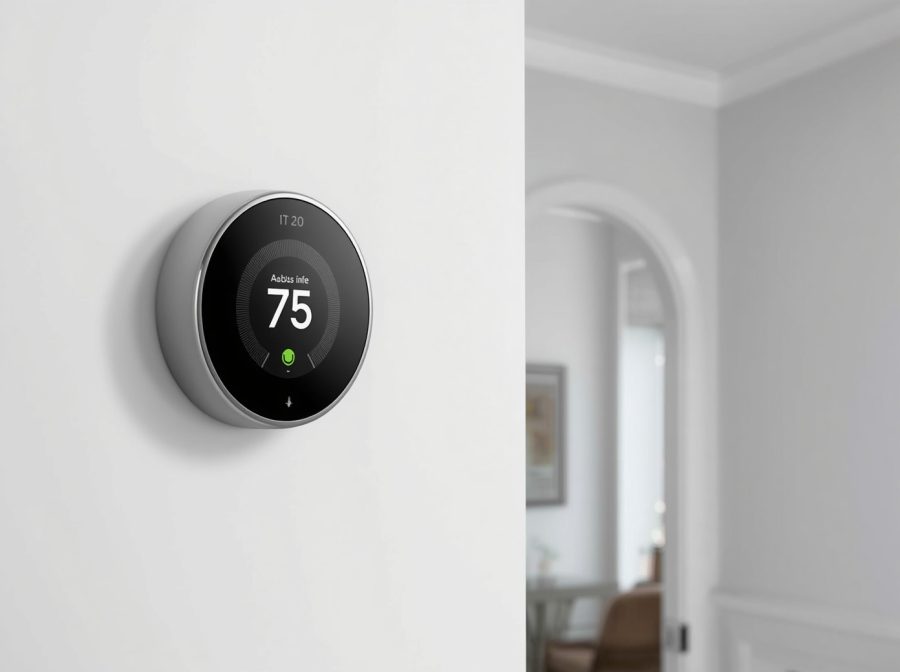
Not every smart thermostat works with every HVAC system. Heat pumps, gas furnaces, electric heat, multi-stage systems, auxiliary heat, and dual-fuel setups can all require different wiring and configuration. If the thermostat is not matched correctly, the system may run in the wrong mode or fail to use important functions.
What happens next is often confusing because the thermostat may look like it is working. The screen responds, the app connects, and some commands work, but the equipment does not behave correctly. The home may heat slowly, cool unevenly, or run the fan when it should not.
A proper installation includes checking the HVAC system type before the thermostat is programmed. That helps make sure the controls match the equipment instead of relying on default settings that may not fit the home.
How Incorrect Setup Affects Comfort
A smart thermostat should make the home easier to control, not harder. When it is installed or configured incorrectly, it can create temperature swings, short cycling, delayed starts, or longer run times. The system may feel less comfortable than it did with the old thermostat.
We often see this when the thermostat is set up without confirming staging, heat pump orientation, fan control, or auxiliary heat behavior. Small configuration mistakes can change how the HVAC equipment responds throughout the day. The homeowner may notice that the temperature is close to the setting, but the home still does not feel right.
This is one of those problems that usually gets blamed on the thermostat app or the HVAC unit. In reality, the issue may be the way the thermostat is wired and configured to control the system. Correct setup helps the thermostat make better decisions.
Live Oak Electrical Services Beaufort County and Beyond
When Placement Affects Thermostat Performance
Thermostat location matters because the device reads the temperature around it. If it is installed near direct sunlight, a draft, a return vent, a kitchen, or an exterior wall, it may not reflect the actual comfort level in the home. That can make the HVAC system run too often or not often enough.
In many homes, the existing thermostat location is accepted without much thought because it has always been there. But when upgrading to a smarter control, that location can have a bigger effect on how the system responds.
The thermostat may begin making more automated decisions based on readings that are not ideal. Sometimes the location is fine, and sometimes it needs to be discussed before installation. The goal is to help the thermostat read the home accurately so it can control heating and cooling in a way that feels consistent.
Why Testing Matters After the Thermostat Is Installed
A smart thermostat should be tested through each major function before the job is considered finished. Heating, cooling, fan operation, staging, and system response all need to be confirmed. It is not enough for the display to turn on and connect to Wi-Fi.
We usually test how the equipment responds to commands from the thermostat and whether the system starts and stops correctly. This helps catch wiring or setup issues before they become daily comfort problems.
It also confirms that the thermostat is communicating with the HVAC equipment the way it should. If your thermostat has already been installed but the system is acting strangely, call 843-505-1167. We can check the wiring, settings, and equipment response to find out where the control problem is starting.
Smart Thermostat Installation That Prevents Future Control Issues
Smart thermostat installation should make the HVAC system easier to manage, not create another layer of uncertainty. The goal is steady control, reliable power, and proper communication between the thermostat and the equipment. That requires more than mounting the device and following a quick setup screen.
Our team focuses on wiring condition, C-wire availability, compatibility, configuration, placement, and final system testing. We look at how the thermostat will control the HVAC system during normal daily use, not just whether it turns on during installation. That helps prevent comfort problems that show up later.
The result is a thermostat that stays powered, responds correctly, and supports the heating and cooling system the way it should. Instead of dealing with disconnects, uneven temperatures, or confusing system behavior, the home gets smart control built on a stable electrical setup.