
Industrial Transformer Installation | Live Oak Electrical
Industrial transformer installation designed to handle high-load applications, ensuring stable power distribution and long-term system reliability.
When Your System Needs More Than Standard Power
If you’re adding equipment that requires a different voltage or your current setup can’t handle the load, it usually points to a transformer related issue. This often comes up when the existing electrical system isn’t designed to support higher capacity or specialized power needs.
We usually see this when a shop, outbuilding, or larger upgrade begins pushing beyond what standard residential service can provide. Near areas like the Jacob Smart Boulevard corridor, we’ve worked on properties where equipment was installed first and the electrical system had to be adjusted afterward to keep up.
If you’re planning for higher capacity or specialized power, call us at 843-505-1167 and we’ll look at what your system needs to support it.
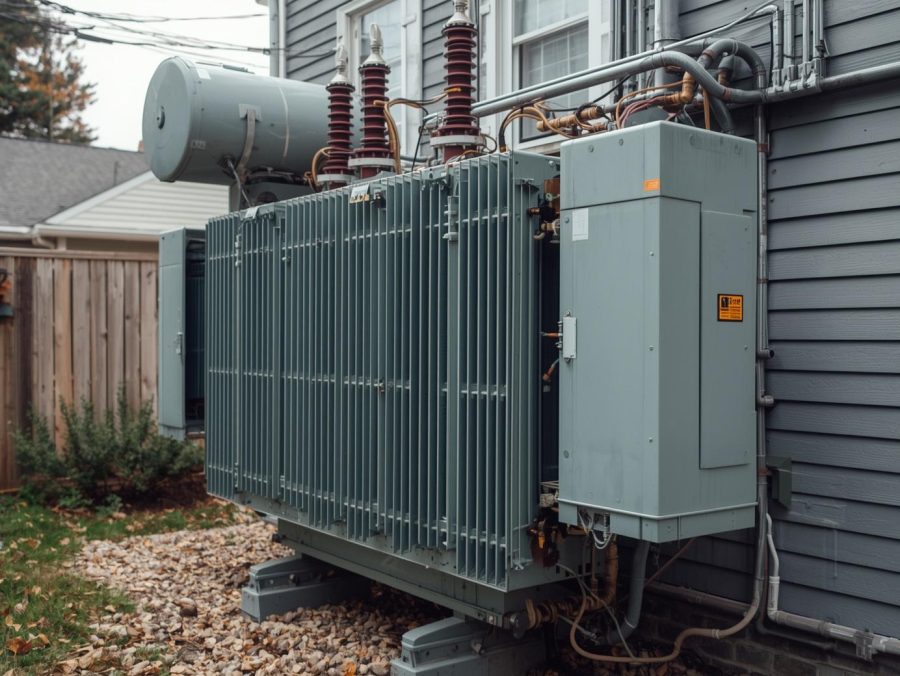
Why Transformer Setups Fail When the System Isn’t Matched Correctly
Transformers don’t just step voltage up or down, they have to be properly matched to the equipment they’re supplying. The way power is delivered has to align with how that equipment actually operates under load.
What happens next in many installations is the transformer is sized or configured without accounting for real world demand. We usually see this when equipment runs hotter than expected, trips without a clear reason, or fails to perform consistently. This is one of those issues that looks like a problem with the equipment itself, but it often comes back to how the transformer and system are set up to deliver power.
ALL ELECTRICAL SERVICES OFFERED
Live Oak Electrical Services delivers expert solutions for all your home electrical needs. From lighting upgrades to smart home installations, our certified electricians provide safe, reliable, and efficient services. Trust us to keep your home powered and secure.
What Has to Be Right for a Transformer to Work Properly
A transformer installation depends on load, environment, and connection all working together. If any one of those is off, the system won’t perform the way it should. In many setups, issues start with incorrect sizing or tap settings. When the output voltage doesn’t match what the equipment expects, performance problems show up right away. We also see failures when transformers are placed in tight or poorly ventilated areas, where heat builds up and begins to break down internal components over time.
Another key factor is proper grounding and phasing. When these aren’t configured correctly, voltage becomes unstable and equipment may not operate as intended. Motors can run inefficiently or even in the wrong direction, and sensitive systems can be affected quickly. If your transformer setup hasn’t been consistent, call us at 843-505-1167 and we’ll help you figure out what’s off.
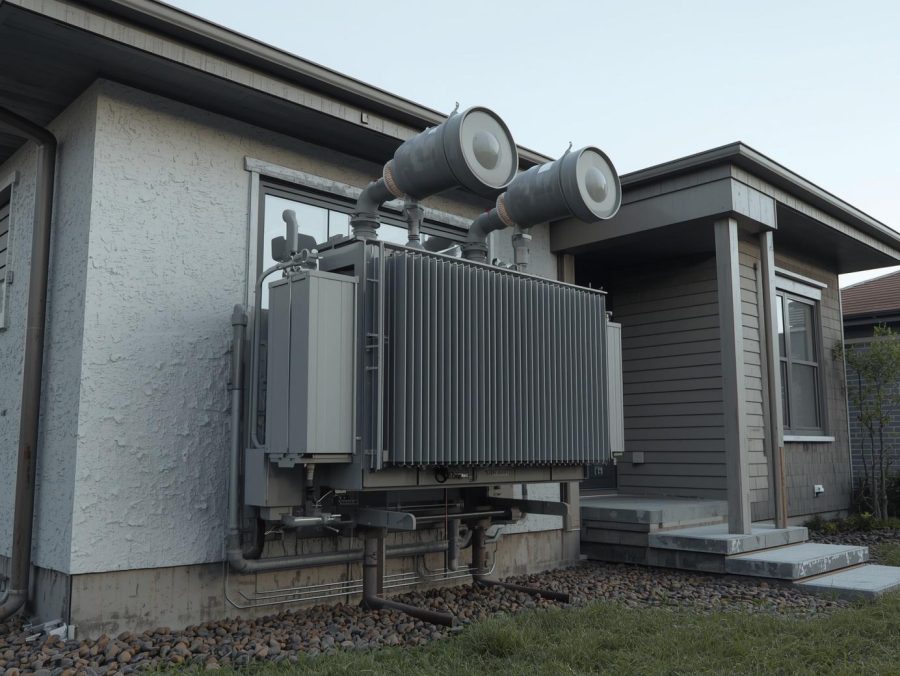
Where Installation Issues Usually Begin
Transformer installations involve more than just placing the unit and connecting wires. The way it’s integrated into the system determines how well it performs over time.
We usually see issues when feeder sizes don’t match the actual load or when connections aren’t properly secured. What starts as a small mismatch can lead to heat buildup, increased resistance, and overall instability in the system.
Placement is another common issue. When transformers are installed too close to walls or in poorly ventilated areas, heat can’t dissipate properly, accelerating wear. If not integrated cleanly with the electrical system, problems can spread and affect other equipment.
What Tends to Fail When the System Is Under Stress
When a transformer is under strain, the effects usually don’t stay contained to the unit itself. The stress begins to impact everything connected to it, especially as load and heat continue to build.
We usually see this when connected equipment starts behaving differently, running hotter than normal, shutting down unexpectedly, or failing sooner than it should. In many systems, the next failure point becomes the internal windings or insulation, particularly when excess heat has been present over time.
What happens next can include loss of power to the system, internal faults within the transformer, or damage to the equipment it supports. In more severe cases, the issue can extend beyond the transformer and begin affecting the surrounding electrical infrastructure.
Live Oak Electrical Services Beaufort County and Beyond
When Property Owners Realize the Power Setup Needs to Change
Most people don’t start with the transformer, they start with the equipment. The focus is usually on getting new systems up and running, not on whether the existing power setup can support them. We usually see this when new machinery, HVAC systems, or shop tools are added and the current electrical system can’t keep up. Near places like the intersection at Smiths Crossing, where properties range from residential to mixed use, that mismatch tends to show up quickly once demand increases.
What happens next is ongoing troubleshooting as equipment fails to perform the way it should. Over time, it becomes clear that the issue isn’t the equipment itself, but the power supply behind it. If you’re at that point, call us at 843-505-1167 and we’ll help you get the system set up to support what you’re running.
How a Well Planned System Holds Up Over Time
A properly installed transformer setup doesn’t just work once, it continues to perform consistently under real demand. The system handles load changes without strain and maintains stable operation across different conditions.
We usually see that when installation is done with long term use in mind, problems like heat buildup, voltage fluctuation, and connection issues don’t develop later. Instead of reacting to issues, the system stays balanced and predictable. This is where the difference shows between a temporary fix and a system that’s built to support ongoing use without repeated adjustments.
What a Proper Transformer Setup Changes
Once a transformer is correctly matched to the system, the difference shows up in how everything performs. Equipment runs at the right voltage, operates more efficiently, and no longer shows the same signs of stress or inconsistency.
We usually see that when load, connection, and configuration are aligned, issues like overheating, unexpected shutdowns, and unstable performance disappear. The system no longer has to compensate for mismatched power delivery. Over time, this creates a more stable environment for both the transformer and the equipment it supports, reducing wear and improving overall reliability.
Transformer Installations That Match Your Equipment and Load
If your power setup feels inconsistent, undersized, or unable to support what you’re running, there’s usually a deeper mismatch behind it. Transformer installations are about more than adding a component, they’re about aligning voltage, load, and system design.
Our team focuses on identifying where the system is falling short and building a setup that supports real world demand safely and efficiently. We don’t just install the transformer, we evaluate the load, configure the system, and ensure everything is integrated correctly. The result is a system that delivers stable power, supports your equipment properly, and operates reliably without the ongoing issues that come from an improperly matched setup.