
Heavy Panel Upgrade | Live Oak Electrical
Heavy Electrical Panel Upgrades for High Demand Homes Safe, code compliant installations that improve capacity, prevent overloads, and keep your system running right
When Your Electrical Panel Starts Reaching Its Limit
If your electrical system feels like it’s constantly hitting its limit, with breakers tripping, lights dimming, or appliances not running together, it usually means the panel wasn’t built for how the home is being used today. What once handled basic demand can struggle as more load is added over time.
We usually see this in homes where modern usage has outgrown the original setup. Near areas like the Log Hall Road residential corridor, we’ve worked in homes where everything seemed fine until newer appliances began stacking additional load onto an older panel.
If your system feels maxed out, call us at 843-505-1167 and we’ll look at what your panel is actually handling.
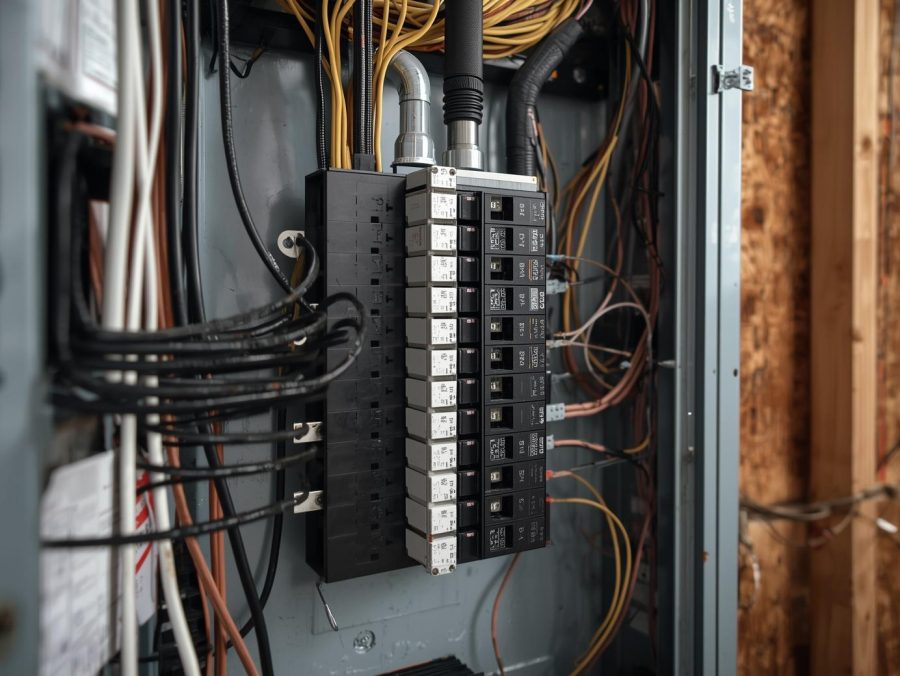
What’s Really Happing Inside an Overloaded Panel
When a panel is pushed past its capacity, the stress doesn’t always show up immediately. Much of what’s happening builds over time, especially at key connection points inside the panel. In many homes, one of the first issues is heat buildup where breakers connect to the busbar.
As the load increases, those contact points begin to warm up, and over time that heat starts to wear down the metal and surrounding components. At the same time, power distribution becomes less stable, which is why lights may dim or flicker when larger appliances turn on.
What happens next is aging components begin to break down faster under the added demand. Once that process starts, it rarely corrects itself. The system continues to carry load, but with less stability and a higher risk of failure. If your panel has been showing these signs, call us at 843-505-1167 and we’ll help you determine whether it’s time to upgrade.
ALL ELECTRICAL SERVICES OFFERED
Live Oak Electrical Services delivers expert solutions for all your home electrical needs. From lighting upgrades to smart home installations, our certified electricians provide safe, reliable, and efficient services. Trust us to keep your home powered and secure.
Why Older Electrical Systems Struggle with Modern Demand
Electrical systems were originally sized for a very different kind of home. The way power was used in the past didn’t account for the number of appliances and systems most homes rely on today. What happens next as new equipment gets added, like HVAC upgrades, kitchen appliances, or EV chargers, is the total demand starts to exceed what the panel and service were designed to handle.
We usually see this when breakers trip even though nothing unusual seems to be running. This is one of those issues that looks like several small problems, but it often points back to a larger limitation at the service level rather than isolated faults.
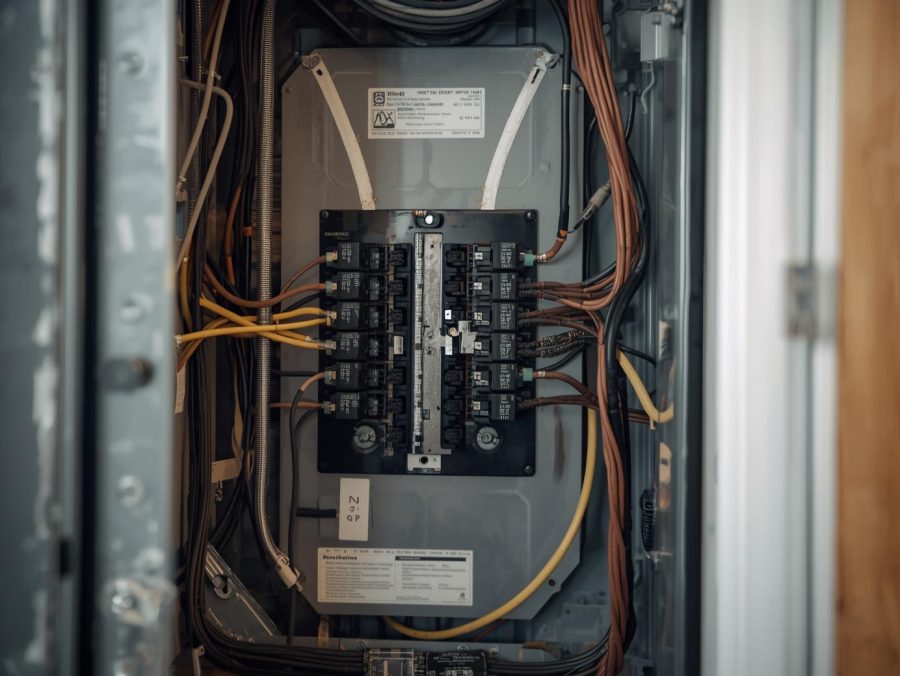
What Changes When the Service Is Upgraded
A panel upgrade isn’t just about replacing a box, it’s about increasing the capacity of the entire system. In many homes, this means moving from a lower capacity service to one that can handle modern demand without constant strain, including updated panel components, service wiring, and utility connection.
We usually see improvements when there’s finally enough space for circuits to be set up correctly. Instead of overcrowding breakers or doubling connections, a larger panel allows each circuit to be separated and managed the way it should be.
What happens next is a more stable and balanced system overall. Power is distributed more evenly throughout the home, which reduces flickering, breaker trips, and inconsistent performance across different areas.
What Tends to Happen If the Upgrade Is Delayed
When a panel is already showing signs of strain, the issues don’t stay contained. Over time, the stress begins to affect more parts of the system instead of remaining isolated. We usually see this when additional circuits start tripping or when adding new appliances makes the system less stable overall. What happens next can include heat buildup inside the panel, intermittent power loss to certain areas, or even damage to wiring and connected components.
There’s also the long term effect of unstable voltage. In many homes, the next failure point becomes sensitive electronics like appliances, control boards, and devices that rely on consistent power to function properly.
Live Oak Electrical Services Beaufort County and Beyond
Where Panel Issues Tend to Show Up First
Electrical systems don’t usually fail all at once. Most of the time, the early signs show up gradually and can be easy to overlook if everything is still partially working. We usually see this when one breaker starts tripping more often or when certain areas of the home feel less reliable than others. In many homes, the next failure point becomes the panel itself, especially in older units where internal components have been under stress for years.
There are also cases where outdated panels don’t respond properly during a fault. When that happens, the system becomes less predictable, and small issues can turn into larger problems without clear warning.
When Homeowners Decide It’s Time to Increase Capacity
Most people don’t plan for a panel upgrade until something forces the issue. It usually comes up when the system reaches a point where it can’t support what’s being added.
We usually see this when a new appliance can’t be installed, when an EV charger is planned, or when an inspection flags the existing panel. Near places like the Frampton Plantation house and grounds, where homes vary in age and electrical history, these limitations tend to show up clearly once demand increases.
What happens next is the realization that the system can’t take on more load without being upgraded. If you’re at that point, call us at 843-505-1167 and we’ll help you figure out what your current setup can support and what needs to change.
What a Proper Panel Upgrade Changes
Once the panel and service are upgraded correctly, the system starts to behave the way it should. Power is distributed evenly, circuits operate without constant interruption, and the strain that caused earlier issues is removed.
We usually see that once capacity matches demand, problems like flickering lights, tripping breakers, and inconsistent performance disappear. The system no longer has to compensate for overload, which allows everything to run more reliably. Over time, this creates a more stable foundation for the home. New appliances, additional circuits, and future upgrades can be added without pushing the system past its limits.
Panel Upgrades That Match How Your Home Is Actually Used
If your electrical system feels outdated, overloaded, or unable to keep up with your daily demand, there’s usually a larger limitation behind it. Panel upgrades are about more than replacing equipment, they’re about aligning the system with how the home is actually being used.
Our team focuses on identifying where the system is falling short and building a setup that handles real world load safely and consistently. We don’t just install a new panel, we evaluate the service, balance the circuits, and make sure everything is configured to meet current code and long term demand. The result is a system that runs efficiently, supports modern usage, and stays reliable without the ongoing issues that come from an undersized or aging setup.