
Dedicated Circuits | Live Oak Electrical
Dedicated circuits installed for high-demand appliances, providing stable, reliable power while protecting your system from overloads and unnecessary wear.
When Shared Circuits Can’t Handle the Demand Anymore
If certain appliances keep tripping the breaker or your lights react every time something turns on, it usually means too much is being asked from a single circuit. This is a common sign that the system is being pushed beyond what it was designed to handle.
We usually see this when kitchens, garages, or home offices start sharing power that was never meant to be shared. In areas near the Jacob Smart Boulevard corridor, we’ve worked in homes where adding just one new appliance exposed how stretched the system already was.
If you’re dealing with circuits that can’t keep up, call us at 843-505-1167 and we’ll take a look at how your system is handling the load.
How Dedicated Circuits Solve the Root Issue
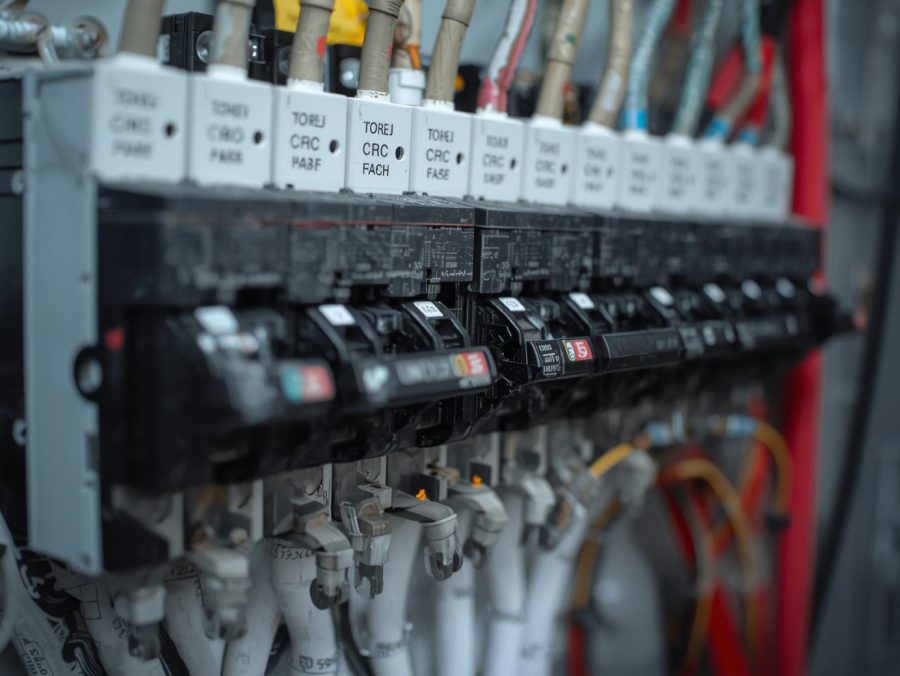
A dedicated circuit provides a single appliance or area with its own direct path back to the electrical panel, keeping it separate from other loads in the home. This is especially important for high demand equipment, which often ends up sharing circuits with everyday devices. This setup is one of the most common causes of overloads and system strain.
By matching each circuit to the specific load it serves using the correct breaker size, wire gauge, and outlet type, you ensure consistent performance and reduce the risk of overheating. When circuits are not properly matched, issues like tripping breakers and dimming lights tend to worsen over time rather than resolve on their own.
Installing a dedicated circuit eliminates that ongoing stress and allows your electrical system to operate safely within its limits. If you are adding new appliances or noticing recurring power issues, call us at 843-505-1167 and we will help you determine what needs its own circuit.
ALL ELECTRICAL SERVICES OFFERED
Live Oak Electrical Services delivers expert solutions for all your home electrical needs. From lighting upgrades to smart home installations, our certified electricians provide safe, reliable, and efficient services. Trust us to keep your home powered and secure.
When Circuits Become Overloaded and Start to Break Down
Most circuits are designed with a specific electrical load in mind, based on the expected demand when the home was built or last updated. Once that load increases beyond what the circuit was intended to handle, the system begins to show signs of stress. This often happens gradually as more appliances, devices, or upgraded equipment are added without adjusting the electrical infrastructure to match.
As demand grows, appliances begin competing for power on the same circuit. When a high draw device like a microwave, space heater, or air compressor turns on, it pulls a large share of available electricity. This causes noticeable effects on other devices connected to the same line, such as lights dimming or electronics struggling to maintain consistent performance. In many cases, breakers do not trip immediately but instead fail under specific conditions when multiple loads overlap.
Over time, that repeated strain does more than create inconvenience. It puts continuous pressure on the wiring, breakers, and connections that are meant to protect the system. Components begin to wear down, increasing the risk of overheating, nuisance tripping, and potential electrical hazards. Without addressing the root issue, the problem tends to escalate rather than stabilize.
Why Improper Fixes Point to the Need for a Dedicated Circuit
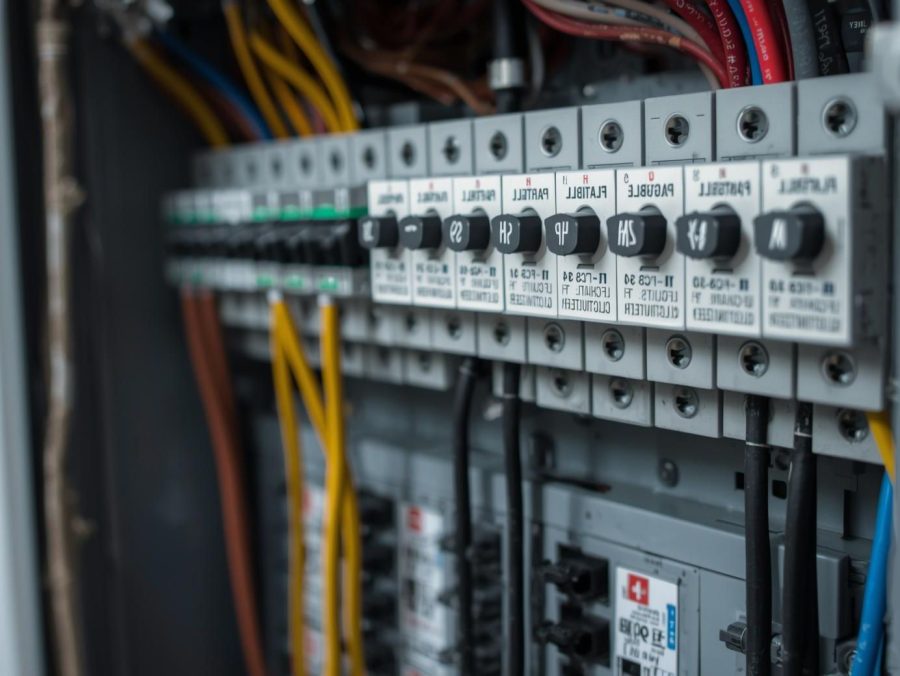
This problem often looks simple but usually means the circuit can’t handle the demand. What seems like a quick fix is often a sign the setup needs to be changed, not adjusted.
We commonly see breakers upsized instead of addressing the load. That removes protection and shifts the risk to the wiring. In many cases, the real solution is moving that load onto a properly sized dedicated circuit.
Another issue is adding onto circuits that weren’t built for it. It may work short term, but instability and heat follow. These are clear signs the circuit needs to be separated and supported properly.
How Overloaded Circuits Create System Wide Electrical Problems
Once a circuit is pushed beyond its limits, the effects don’t stay isolated to one area. We usually see this when a single appliance starts causing issues throughout the home. Lights begin to flicker, electronics reset unexpectedly, and breakers trip more often. As demand increases, the system becomes less predictable and harder to rely on.
As that strain continues, weak points in the system start to show. In many homes, the next failure point is a connection, whether at an outlet, inside the panel, or somewhere along the wiring. These areas develop resistance, which leads to heat buildup over time. That heat can cause damage behind the walls long before there are visible warning signs.
There is also a growing risk to the equipment connected to the circuit. Appliances and electronics depend on stable voltage to function properly. When voltage drops happen repeatedly, it can shorten their lifespan or lead to sudden failure. What starts as a minor inconvenience can quickly turn into a larger and more costly issue if the overload is not addressed.
Live Oak Electrical Services Beaufort County and Beyond
When It’s Time to Install a Dedicated Circuit
Most homeowners try to work around the issue before addressing the root cause. We usually see this when extension cords become more common or appliances get moved between outlets just to avoid tripping a breaker. Near areas like the Pratt Memorial Library, where homes vary in age and electrical setup, these patterns tend to show up as usage increases and circuits are pushed beyond what they were designed to handle.
Eventually, something pushes the circuit too far. A breaker starts tripping repeatedly or an outlet shows signs of heat or wear. That is usually the point where it becomes clear the system needs to be corrected properly with a dedicated circuit. If you have reached that point, call us at 843-505-1167 and we will help you determine the right solution.
Dedicated Circuits for Safe, Consistent Power
If your home relies on too many appliances sharing the same circuit, you’re likely dealing with tripped breakers, overheating wires, or inconsistent power. These aren’t just inconveniences they’re signs your electrical system isn’t built to handle your current load. Dedicated circuits provide a direct, reliable power source for high demand appliances like HVAC systems, refrigerators, ovens, and home offices.
Our team installs dedicated circuits that are properly sized, strategically placed, and fully compliant with electrical codes. We don’t just run new lines we evaluate your entire system to make sure everything works together safely and efficiently. The result is smoother performance, reduced risk, and a setup built to handle your home’s real power needs.